
10 Best Monsoon Skincare Tips for Glowing, Healthy Skin in 2026
The rains have arrived, and along with the relief from scorching summer heat comes a whole new set of skin challenges. If you’ve noticed sudden breakouts, itchy patches, or oily skin that just won’t behave, you’re not alone. Every year around this time, people across India start searching for reliable monsoon skincare tips to keep their skin healthy through the humid, unpredictable weather. In this guide, we’ll walk through the most effective monsoon skincare tips dermatologists and beauty experts are recommending for 2026, along with simple habits you can start today.
Whether you have oily, dry, or combination skin, these monsoon skincare tips are designed to be practical and easy to fit into your existing routine, without requiring a complete overhaul of your skincare shelf.
Why Monsoon Is Tough on Your Skin
Before diving into specific monsoon skincare tips, it helps to understand why this season is uniquely challenging for skin. Humidity levels spike dramatically during the rains, and this excess moisture in the air triggers your skin’s oil glands to work overtime. The result is a sticky combination of sweat, sebum, and environmental grime that clogs pores and creates the perfect breeding ground for acne and fungal infections.
Dermatologists note that fungal infections are particularly common during monsoon because heat, humidity, and damp clothing create ideal conditions for fungus to thrive, especially in body folds like the groin, underarms, and between the toes. This is exactly why monsoon skincare tips this year place so much emphasis on staying dry and keeping skin folds clean, not just on facial care.
1. Switch to a Lightweight, Water-Based Moisturiser
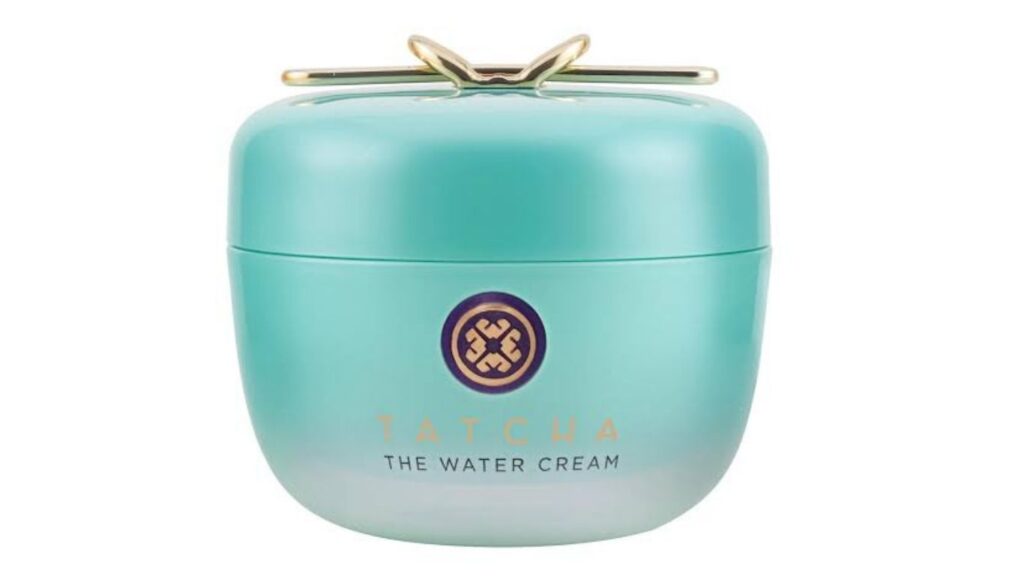
One of the most important monsoon skincare tips is to ditch heavy, oil-based creams in favor of lightweight, water-based moisturisers. Thick creams can trap moisture and sweat underneath, leading to clogged pores and breakouts. A gel-based or water-based formula hydrates the skin while still allowing it to breathe, which is exactly what you need when humidity is already high.
2. Never Skip Sunscreen, Even on Cloudy Days
A surprisingly common mistake people make is skipping sunscreen because the sky looks overcast. But one of the most repeated monsoon skincare tips from dermatologists is that a large share of UV radiation passes straight through cloud cover. Indian skin tends to tan and pigment easily, and skipping sunscreen during monsoon often shows up weeks later as dark patches and uneven skin tone. Make broad-spectrum sunscreen a non-negotiable part of your morning routine, rain or shine.
3. Double Cleanse to Remove Excess Oil and Grime

Among the most effective monsoon skincare tips borrowed from Korean skincare routines is the double cleanse method. Start with an oil-based cleanser to break down sunscreen and makeup, then follow up with a gentle water-based cleanser to remove sweat, dirt, and excess sebum without stripping your skin’s natural barrier. This two-step approach keeps pores clear without over-drying the skin, which is a common issue when people over-cleanse during humid weather.
4. Don’t Over-Scrub Oily Skin
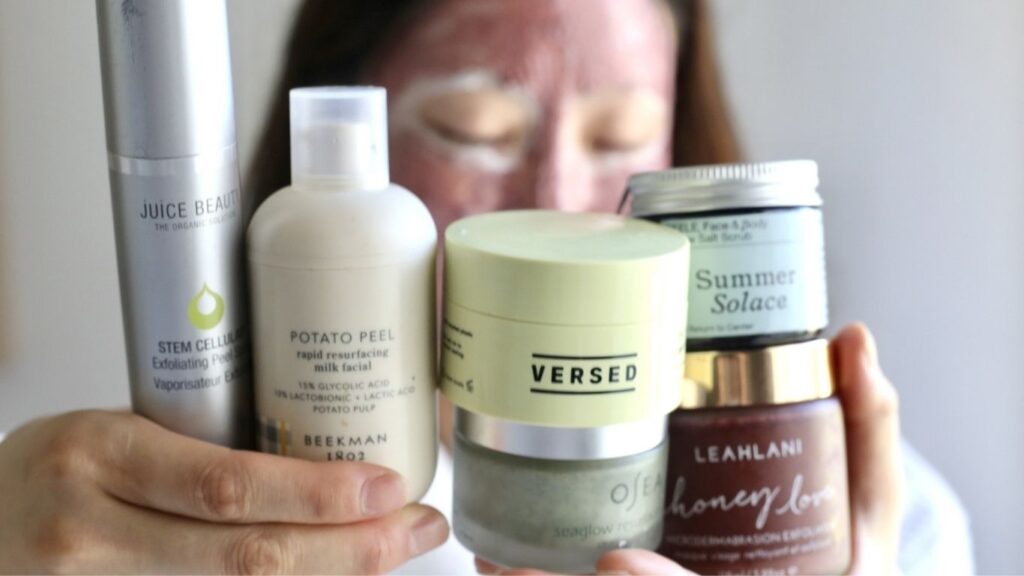
Ironically, one of the most important monsoon skincare tips is knowing what not to do. Increased humidity causes the skin’s oil taps to switch on, and many people respond by scrubbing aggressively, as if trying to physically remove the oil. This backfires by damaging the skin barrier and often triggering even more oil production. Gentle cleansing, not aggressive scrubbing, is the better approach during monsoon.
5. Keep Body Folds Clean and Dry

Fungal infections are one of the most common monsoon skin complaints, and one of the simplest monsoon skincare tips to prevent them is thorough drying after every shower, especially in body folds like underarms, under the breasts, the groin, and between the toes. Bathe daily, towel dry properly, and change out of damp or sweaty clothes as quickly as possible. Loose cotton clothing performs far better than tight synthetic fabric during the rainy season.
6. Use Lightweight Serums Instead of Heavy Treatments
Rather than piling on heavy treatment products, effective monsoon skincare tips recommend lightweight serums with ingredients like hyaluronic acid, niacinamide, and green tea. These ingredients hydrate the skin while also helping regulate excess oil, making them particularly well-suited for the sticky, humid conditions of monsoon. This approach works well even for those with naturally oily skin, since it hydrates without adding unnecessary heaviness.
7. Avoid Self-Medicating Skin Rashes
If a rash appears during monsoon, one of the most important monsoon skincare tips is to resist the urge to grab a mixed steroid-antifungal cream from the local chemist. These combination creams are popular in India, but dermatologists warn they often make fungal rashes worse and harder to treat over time. Any itchy, ring-shaped patch or rash that spreads deserves a proper diagnosis from a dermatologist rather than a guess.
8. Choose Waterproof, Lightweight Makeup
For those who wear makeup daily, monsoon skincare tips extend beyond skincare into makeup choices as well. Humidity breaks down the adhesion between film-forming polymers in foundation, causing it to slide or fade. Lighter, water-based formulas flex with the skin better than heavy, oil-rich bases, which tend to emulsify in the presence of sweat and turn cakey or patchy. Waterproof mascara, transfer-proof lip products, and a lightweight setting spray instead of powder can help your look last through humid days.
9. Keep Feet Dry to Prevent Athlete’s Foot
Wet socks sitting inside closed office shoes are one of the most overlooked causes of athlete’s foot during monsoon. Practical monsoon skincare tips for foot care include keeping a spare pair of footwear at work, wearing open sandals whenever possible, and drying carefully between your toes after getting caught in the rain.
10. Eat Skin-Supporting Foods
Skincare isn’t just about what you put on your skin, it’s also about what you put into your body. Several monsoon skincare tips from Ayurvedic experts recommend incorporating vitamin C-rich foods like citrus fruits, along with ingredients like neem, turmeric, and tulsi, which have antibacterial and anti-inflammatory properties that support skin health from within during the humid season.
Quick Reference: Monsoon Skincare Tips by Skin Concern
| Skin Concern | Recommended Approach | Key Ingredients to Look For |
|---|---|---|
| Oily/Acne-prone | Oil-free, non-comedogenic products | Salicylic acid, niacinamide |
| Dry/Sensitive | Gentle, fragrance-free formulas | Hyaluronic acid, ceramides |
| Fungal infections | Keep folds clean & dry, cotton clothing | Antifungal (dermatologist-prescribed) |
| Dull/Uneven tone | Consistent daily sunscreen | Broad-spectrum SPF, vitamin C |
| Hair & scalp frizz | Light oiling, regular washing | Lightweight non-greasy hair oils |
Product Ingredients to Look For During Monsoon
Common Monsoon Skin Problems and How to Handle Them
Understanding the specific issues that arise in this season makes it easier to apply the right monsoon skincare tips for your situation:
Acne and breakouts: Caused by excess oil combining with dirt and pollution. Lightweight, non-comedogenic products and gentle cleansing are the best defense.
Fungal infections: Ring-shaped, itchy patches that thrive in warm, damp body folds. Prevention through dryness and proper hygiene is far more effective than treating an active infection.
Dull, uneven skin tone: Often the result of skipped sunscreen combined with humidity-related dehydration. Consistent SPF use is one of the simplest monsoon skincare tips to protect against this.
Excess oiliness: A natural response to high humidity, best managed with lightweight, oil-free products rather than harsh, stripping cleansers.
Hair frizz and scalp issues: Increased moisture in the air affects hair just as much as skin, and many of the same principles, like avoiding heavy products and keeping the scalp clean and dry, apply here too.
Building a Simple Monsoon Skincare Routine
Rather than an overwhelming twelve-step routine, the best monsoon skincare tips boil down to a simple daily framework:
Morning: Gentle cleanser, lightweight hydrating serum, water-based moisturiser, broad-spectrum sunscreen.
Evening: Double cleanse (oil-based followed by water-based), a light treatment serum if needed, and a gel-based night moisturiser.
Weekly: A clay mask once or twice a week to draw out impurities and control excess sebum, choosing bentonite clay for oily skin or kaolin clay for drier, more sensitive skin.
Following these monsoon skincare tips consistently, rather than only during an active breakout, tends to produce far better results over the course of the season.
When to See a Dermatologist
While most monsoon skincare tips can be handled with simple at-home adjustments, certain symptoms warrant professional attention. Any rash that spreads despite basic hygiene measures, persistent ring-shaped itchy patches, or sudden severe acne flares should be evaluated by a dermatologist. Treated early, these conditions tend to settle quickly, but ignored infections can leave behind stubborn dark marks that linger on Indian skin long after the monsoon season ends.
Monsoon Skincare Tips by Skin Type
Not everyone’s skin reacts to monsoon the same way, so it’s worth tailoring monsoon skincare tips to your specific skin type rather than following a one-size-fits-all routine.
Oily and acne-prone skin: Focus on oil-free, non-comedogenic products, and avoid skipping moisturiser even though skin feels greasy. Skipping hydration often triggers the skin to produce even more oil, worsening breakouts. A salicylic acid cleanser used a few times a week can help keep pores clear without over-drying.
Dry and sensitive skin: While it might seem like monsoon humidity would solve dryness, indoor air conditioning combined with rain exposure can actually leave dry skin feeling more irritated than usual. Gentle, fragrance-free cleansers and a slightly richer (but still non-greasy) moisturiser work best here.
Combination skin: The classic monsoon challenge, since the T-zone tends to get oilier while cheeks stay normal or dry. Multi-masking, using a clay mask on the T-zone and a hydrating mask on the cheeks, is one of the more targeted monsoon skincare tips for this skin type.
Mature skin: Humidity can sometimes work in favor of mature skin by reducing the appearance of fine lines temporarily, but it’s still important to maintain antioxidant serums and consistent sunscreen use, since sun damage accumulates regardless of how the skin looks day to day.
Monsoon Haircare Tips That Pair Well With Skincare
Since hair and scalp health often get affected alongside skin during the rains, it’s worth pairing your monsoon skincare tips with a few haircare adjustments. Wash hair regularly to prevent product buildup and scalp odor caused by trapped moisture, and avoid tying wet hair tightly, since this can lead to scalp irritation and hair breakage. A light, non-greasy hair oil applied to the scalp a few hours before washing can help combat monsoon dryness and frizz without weighing hair down. Just like with skin, the goal with hair during monsoon is balance, not overloading it with heavy products that trap moisture against the scalp.
Simple Lifestyle Habits That Support Healthy Monsoon Skin
Beyond product-based monsoon skincare tips, a few lifestyle habits make a noticeable difference during the rainy season. Staying hydrated remains important even when the weather feels cooler and you may not feel as thirsty as you do in summer heat. Getting enough sleep helps regulate the skin’s natural repair processes, which can be disrupted by humidity-related discomfort. Managing stress also plays a role, since cortisol spikes are linked to increased oil production and breakouts, compounding the challenges monsoon already brings to the skin. Small, consistent habits like these work alongside your skincare routine rather than replacing it, and together they make the seasonal transition much easier on your skin.
Product Ingredients to Look For During Monsoon
When shopping for new products, it helps to know which ingredients align best with effective monsoon skincare tips. Niacinamide is particularly useful since it helps regulate sebum production while also calming inflammation, making it suitable for most skin types during humid weather. Hyaluronic acid provides hydration without heaviness, which is exactly what monsoon skin needs. Salicylic acid, used in moderation, helps keep pores clear of the excess oil and grime that builds up during the rains. Green tea extract offers antioxidant support alongside a light soothing effect, making it a common ingredient in lightweight monsoon-friendly serums. Avoiding heavy occlusive ingredients like thick shea butter or mineral oil in your daytime routine is just as important as choosing the right actives, since these can trap moisture against the skin and contribute to breakouts.
Conclusion
Monsoon doesn’t have to mean a season of unpredictable, frustrating skin. By following these monsoon skincare tips, from switching to lightweight, water-based products to protecting body folds from excess moisture and never skipping sunscreen, you can keep your skin calm, clear, and healthy through even the heaviest rains. The key is consistency: small daily habits built around these monsoon skincare tips will do far more for your skin than reacting only when a breakout or rash already appears. Stay dry, stay gentle with your skin, and let the rest of the season be about enjoying the rain, not fighting your skin.
Frequently Asked Questions
1. What are the most important monsoon skincare tips for oily skin? Switching to lightweight, water-based moisturisers and avoiding aggressive scrubbing are two of the most effective monsoon skincare tips for managing oily skin during humid weather.
2. Do I still need sunscreen on cloudy monsoon days? Yes. A significant amount of UV radiation passes through cloud cover, so daily broad-spectrum sunscreen remains one of the essential monsoon skincare tips regardless of weather.
3. How can I prevent fungal infections during monsoon? Keeping body folds clean and completely dry, wearing loose cotton clothing, and changing out of damp clothes quickly are key monsoon skincare tips for preventing fungal infections.
4. Can I use the same skincare routine in monsoon as in summer? Not exactly. While sunscreen remains essential in both seasons, monsoon skincare tips generally recommend switching to lighter, water-based formulas instead of heavier summer creams.
5. What should I do if a rash appears during monsoon? Avoid self-treating with mixed steroid-antifungal creams from the chemist. One of the most important monsoon skincare tips is to consult a dermatologist for proper diagnosis instead.
6. Are natural ingredients like neem and turmeric useful in monsoon? Yes, many Ayurvedic monsoon skincare tips recommend neem, turmeric, and aloe vera for their antibacterial and anti-inflammatory properties that support skin health during humid weather.
7. How often should I use a face mask during monsoon? Using a clay mask once or twice a week is a commonly recommended part of monsoon skincare tips to help control excess oil and draw out impurities.
8. What makeup products work best during monsoon? Lightweight, water-based bases, waterproof mascara, and transfer-proof lip products are among the top monsoon skincare tips extended into makeup choices for humid weather.
9. Why does my skin feel oilier during monsoon even though I moisturise? Increased humidity naturally boosts sebum production, so following lightweight, non-comedogenic monsoon skincare tips rather than skipping moisturiser altogether tends to work better.
10. When should I see a dermatologist for a monsoon skin issue? If a rash spreads despite basic hygiene, or if you notice persistent itchy patches or a sudden severe acne flare, it’s time to move beyond home remedies and consult a dermatologist.