
The Ultimate Guide: Finding the Most Famous University for Students
Choosing where to pursue higher education is one of the most defining decisions a young adult will ever make. It is not just about getting a degree; it is about networking, accessing cutting-edge research, and immersing yourself in an environment designed to push human knowledge forward.
When you look at global education rankings, certain names consistently dominate the conversation. But what exactly makes a famous university for students stand out from the rest? Let’s dive deep into the world’s premier institutions, analyzing what they offer, how they shape global leaders, and how to find the ideal match for your career goals.
What Defines an Elite Global Institution?
An exceptional academic hub relies on a few critical structural pillars. It is not just old buildings and ivy-covered walls; it is a complex ecosystem built on historical prestige, massive funding, and strict selectivity.
- Research Output: The highest-ranked colleges produce breakthroughs that change daily life, from medical discoveries to foundational computing languages.
- Endowment and Resources: Billions of dollars in institutional wealth mean state-of-the-art laboratories, expansive libraries, and fully funded student projects.
- Alumni Network: Accessing a powerful, global web of graduates can open professional doors that standard job applications simply cannot touch.famous university for students
The Titans of Higher Education
Let’s break down the individual institutions that have earned a permanent spot at the top of world education hierarchies.
1. Harvard University (USA)
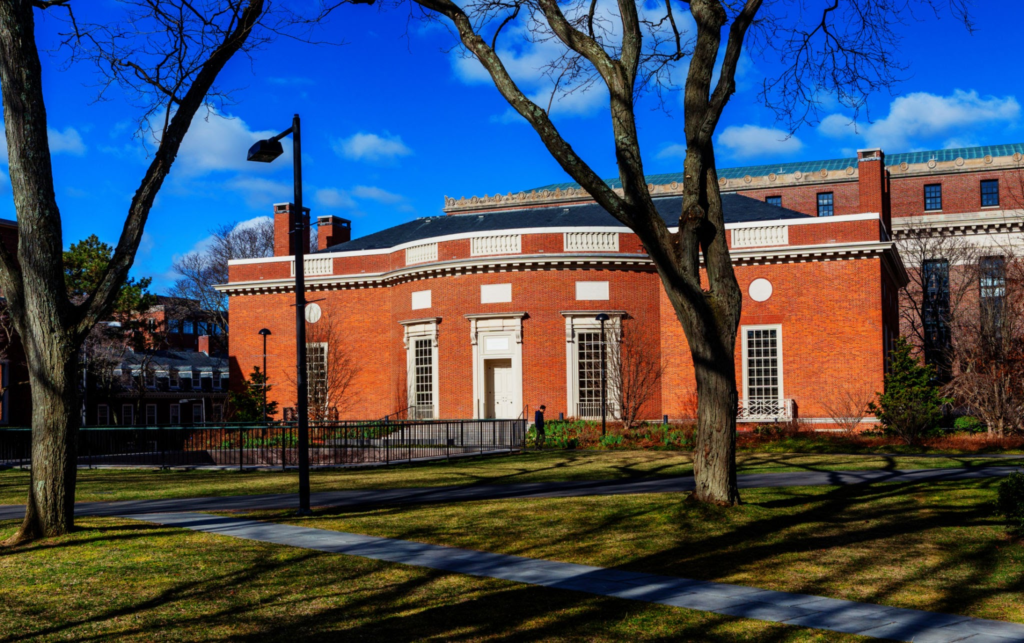
Founded in 1636, Harvard is the oldest institution of higher learning in the United States. Its name is globally synonymous with elite achievement and rigorous academics. For generations, it has been considered a benchmark famous university for students looking to break into politics, law, business, and medicine.
With an endowment exceeding $50 billion, Harvard provides resources that few other institutions can match. Its library system holds millions of volumes, offering an unparalleled research environment. However, the competition is fierce, with an acceptance rate that regularly hovers below 4%.
2. University of Oxford (UK)
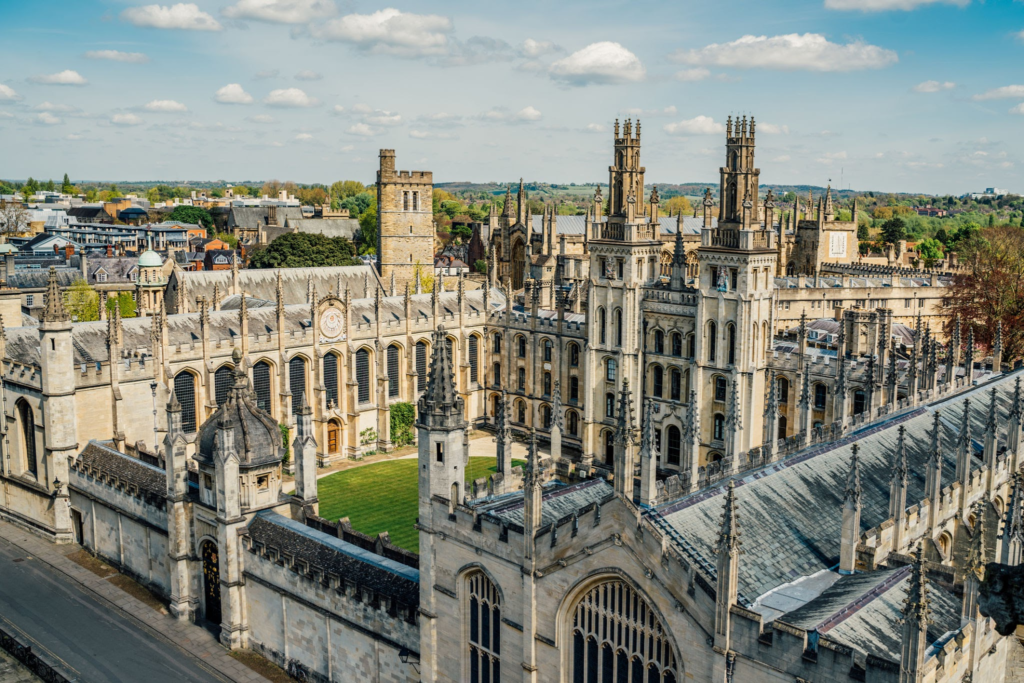
As the oldest university in the English-speaking world, Oxford offers an educational model unlike almost any other. Instead of massive, impersonal lecture halls, Oxford operates on a unique collegial system. Students belong to individual, self-governing colleges where they receive personalized, small-group tutorials from world-class experts.
This distinct approach makes it a uniquely compelling famous university for students who thrive on intense, individualized debate and deep critical analysis. Oxford excels across the humanities, sciences, and social fields, producing dozens of prime ministers, international leaders, and Nobel laureates.
3. Massachusetts Institute of Technology – MIT (USA)
If your goal is to push the boundaries of technology, computing, and hard science, MIT is unmatched. Located in Cambridge, Massachusetts, MIT trades traditional classical architecture for avant-garde, modern research facilities designed to spark intense collaborative innovation.
It stands out as a premier, tech-focused famous university for students who want to build real-world applications. The culture here is intensely hands-on, driven by the motto “Mens et Manus” (Mind and Hand). From artificial intelligence to quantum mechanics, MIT is the epicenter of modern technological disruption.

4. Stanford University (USA)
Situated in the heart of Silicon Valley, Stanford blends elite academic research with a powerful, hyper-focused entrepreneurial spirit. The campus is famous for its sunny, expansive design, but the real draw is its direct pipeline to the world’s biggest tech ecosystems.
Stanford is widely celebrated as an incredibly influential famous university for students with aspirations of launching startups or joining venture capital firms. Its alumni have founded companies like Google, Hewlett-Packard, and Netflix, making it a hub where academic theory quickly transforms into multi-billion-dollar realities.

Comparing the World’s Best Universities
Choosing between these elite paths requires looking at the raw data. The table below outlines how these institutions compare across key metrics, including their primary area of global dominance and general acceptance rates.
| University | Location | Key Strengths | Core Learning Model |
| Harvard University | Cambridge, USA | Law, Business, Medicine, Humanities | Broad Liberal Arts & Graduate Specialization |
| University of Oxford | Oxford, UK | Humanities, Politics, Sciences | Personalized Weekly Tutorial System |
| MIT | Cambridge, USA | Engineering, Computer Science, Physics | Hands-on Laboratory & Quantitative Analysis |
| Stanford University | Stanford, USA | Tech Entrepreneurship, Computer Science | Innovation Hub & Silicon Valley Pipeline |
How to Choose Your Perfect Academic Path
Attending a globally recognized institution sounds incredible, but you need to look past the brand name to see if the campus culture actually matches your personal learning style.famous university for students
Evaluate the Academic Structure
Do you prefer the freedom of a US liberal arts curriculum, where you can explore multiple subjects before declaring a major? Or do you want a hyper-focused UK system where you dive into your chosen field from day one? A famous university for students in the US offers flexibility, while European options focus heavily on specialized, immediate depth.
Consider the Geographic and Cultural Environment
The setting of your campus plays a massive role in your day-to-day well-being. Attending school in a bustling, historical European city is a completely different lifestyle compared to a sprawling, self-contained campus in sunny California. Think about where you will be most focused, comfortable, and motivated to study over a four-year period.
Analyze Long-Term Financial Return
Elite education comes with a premium price tag. While these top-tier institutions offer generous need-based financial aid, international students must carefully calculate tuition, housing, and travel costs against their projected post-graduation salary.
The Application Roadmap for Top-Tier Schools
Getting accepted into a highly selective global institution takes years of deliberate preparation. It requires balancing flawless academic execution with standout extracurricular initiatives.
Step 1: Academic Excellence (Maintain top tier GPA / Test Scores)
       │
       ▼
Step 2: Deep Extracurricular Focus (Lead 2-3 meaningful projects)
       │
       ▼
Step 3: Secure Strong Recommendations (Build authentic relationships with mentors)
       │
       ▼
Step 4: Draft Compelling Personal Essays (Showcase your unique voice and worldview)
Pro Tip: Top schools do not look for “well-rounded” students who do a little bit of everything. They look for a “well-rounded class” made up of highly specialized, deeply focused students who are genuinely elite at one specific thing. Find your niche and go all in on it.
Conclusion
Ultimately, identifying a famous university for students is about matching your personal vision with an institution’s distinct philosophy and culture. Whether you want to study classic political philosophy under Oxford’s historic spires, launch a revolutionary tech startup at Stanford, or conduct cutting-edge laboratory research at MIT, the right choice depends entirely on your long-term goals.
Prestige is a valuable tool, but your work ethic, curiosity, and willingness to leverage the campus network will dictate your true success. Treat the name on the building as a door-opener—but remember that you are the one who has to walk through it and do the work.
Frequently Asked Questions (FAQs)
1. What makes a famous university for students better than a local college?
Attending a globally recognized institution provides direct access to larger research budgets, world-class faculty, and highly influential alumni networks. These resources can significantly accelerate your early career opportunities on an international scale.
2. How hard is it to get into a famous university for students as an international applicant?
The process is highly competitive, often featuring acceptance rates below 5% for top-tier schools. International applicants must demonstrate exceptional academic performance, strong standardized test scores, and unique extracurricular leadership.
3. Do these elite global universities offer good financial aid?
Yes, many top-tier institutions (especially in the US) have massive endowments that support “need-blind” admission policies. This means if you are qualified to get in, the university will cover your demonstrated financial need, often replacing student loans with grants.
4. Which famous university for students is best for launching a technology startup?
Stanford University and MIT are considered the gold standards for tech entrepreneurship. Stanford offers unmatched integration with Silicon Valley venture capital, while MIT provides an elite engineering foundation for developing deep-tech products.
5. Is the teaching style different at a historic UK university compared to a US university?
Yes, dramatically so. UK institutions like Oxford focus heavily on self-directed study and small-group tutorials, requiring early specialization. US institutions favor a broader liberal arts approach, allowing you to explore various subjects before finalizing your degree path.