
India Travel Tips: 10 Things I Wish I Knew Before Visiting
Traveling to India is an experience that defies description. It is a sensory explosion of vibrant colors, ancient traditions, aromatic spices, and a chaotic yet beautiful rhythm of daily life. For many travelers, stepping foot in this magnificent country is a lifelong dream. However, without the right preparation, the sheer scale and intensity of the subcontinent can feel incredibly overwhelming.
When I first planned my journey, I read dozens of guides, but nothing truly prepares you for the reality on the ground. There are cultural nuances, logistical hurdles, and unwritten rules that only experience can teach you. To help you navigate this beautiful destination smoothly, I have compiled the ultimate guide on India travel tips featuring the 10 critical things I deeply wish I had known before booking my flight.
1. The “Culture Shock” is Real (But Manageable)
The moment you exit the airport in a major hub like Delhi or Mumbai, India hits you all at once. The noise of honking traffic, the density of the crowds, the rich smells of street food mixed with exhaust fumes—it can be a massive shock to the system.
💡 Pro-Tip: Do not try to fight the chaos. The secret to enjoying India is to surrender to its rhythm. Give yourself the first 48 hours to just observe, adapt, and acclimatize to the environment without over-scheduling your days.

2. Navigating the Train System Requires Early Planning
India boasts one of the largest rail networks in the world, and traveling by train is an quintessential local experience you cannot miss. However, booking a ticket isn’t as simple as showing up at the station. Trains often book out weeks, sometimes months, in advance.
Understanding the class system is essential for a comfortable journey. For long-distance travel, look for AC 2 Tier (2A) or AC 3 Tier (3A) classes, which offer air conditioning and comfortable sleeping berths. Avoid the unreserved general compartments unless you are looking for an incredibly crowded, chaotic adventure. Setting up an IRCTC (Indian Railway Catering and Tourism Corporation) account as a foreign tourist can take a few days, so ensure you plan this well before your trip.
3. Train Your Stomach: The Reality of “Delhi Belly”
Getting sick is one of the biggest fears for first-time visitors looking up India travel tips. While “Delhi Belly” (traveler’s diarrhea) does happen, it is largely preventable if you follow a few golden rules of food hygiene:
- Never drink tap water: Stick strictly to sealed, bottled mineral water or trusted purification systems. Even use bottled water to brush your teeth.
- Watch the ice: Avoid ice cubes in drinks unless you are at a high-end luxury hotel.
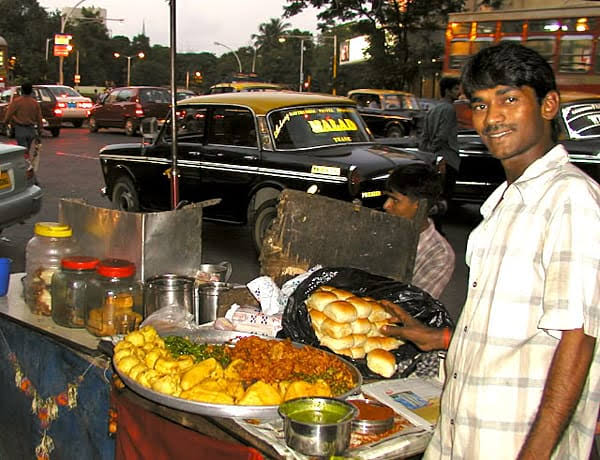
- Eat where it’s busy: When trying local culinary delights, choose street vendors or restaurants with long queues of local families. High turnover means the food is fresh.
- Go easy on the spice initially: Give your digestive system a few days to adjust to the heavy use of spices and oil before diving into regular local meals.
4. Dress Conservatively to Respect Local Customs
India is deeply traditional, and how you dress matters significantly, especially when visiting religious sites. While modern cities like Bangalore or Mumbai are quite progressive with fashion, large parts of the country remain highly conservative.India travel tips
For both men and women, keeping your shoulders and knees covered is a sign of respect. Loose, breathable cotton clothing like linen pants, long skirts, and t-shirts are ideal for beating the heat while staying modest. Always carry a light scarf or shawl in your daypack; you will need it to cover your head when entering Sikh temples (Gurdwaras) or mosques, and it comes in handy for unexpected dress codes.
5. Master the Art of Polite Bargaining
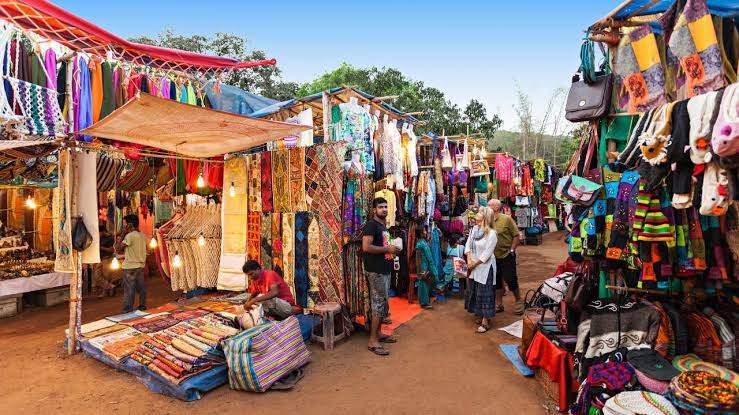
If you visit local markets (bazaars) in India, bargaining is an integral part of the shopping culture. As a tourist, it is common to be quoted a “foreigner price” that can be three to four times the actual value of the item.
Bargaining should never be aggressive. Approach it like a friendly game. A good starting point is to counter with half of their initial asking price and work your way up to a mutually agreeable middle ground. If the price feels too high, feel free to walk away politely—more often than not, the vendor will call you back with a much lower offer.
6. Get a Local SIM Card Immediately
Having reliable internet access on your phone will completely transform your travel experience. You will need data to book rides, look up directions on Google Maps, translate phrases, and use digital payment apps.India travel tips
You can easily purchase a tourist SIM card (major networks include Airtel and Jio) right at the international arrivals terminal of major airports. You will need to provide a copy of your passport, your visa, and a passport-sized photograph. The activation process usually takes anywhere from 2 to 12 hours, but the incredibly cheap data packages make it completely worth the short wait.
7. Embrace Ridesharing Apps for Local Transport
Getting around cities can be an exhausting experience if you rely solely on roadside negotiations with auto-rickshaw and taxi drivers. To avoid getting overcharged, download ridesharing apps like Uber or the local favorite, Ola.
These apps allow you to book cars or auto-rickshaws with fixed, transparent pricing directly through your phone. It completely eliminates the need to haggle over prices before a journey. If you do take a regular roadside rickshaw, always insist that the driver turns on the fare meter before you hop in.
8. Understand Cultural Nuances and Gestures
Learning a few basic cultural gestures will go a long way in earning the respect and warmth of the locals. The traditional Indian greeting, “Namaste” (bringing your palms together at chest level with a slight bow), is a beautiful and universally respected way to greet people or say goodbye.India travel tips
Additionally, you will quickly notice the famous “Indian head wobble”—a gentle tilt of the head from side to side. It is a nuanced gesture that can mean “yes,” “okay,” “I understand,” or simply an acknowledgment of your presence. It takes a little time to read, but it is almost always a sign of friendliness!
9. Monsoons and Festivals Can Alter Your Plans
When researching India travel tips, timing your visit correctly is crucial. The country experiences extreme weather shifts. The summer months (April to June) bring scorching heat exceeding 40°C (104°F) across the plains, while the monsoon season (July to September) brings torrential rains that can cause major travel delays and flooding.
Furthermore, major festivals like Diwali (the Festival of Lights) or Holi (the Festival of Colors) are incredible cultural celebrations to witness, but they also mean that hotels, flights, and trains sell out months in advance. Always cross-check the local festival calendar and seasonal weather patterns before finalizing your itinerary.
10. Slow Down: Less is Always More
The biggest mistake first-time visitors make is trying to see the entire country in a two-week vacation. They schedule a dizzying route: Delhi, Agra, Jaipur, Varanasi, Goa, and Kerala all packed together. Because of transport transit times and the mental energy required to navigate the environment, this pace leads to instant burnout.India travel tips
Instead, pick a specific region and explore it deeply. Spend a few extra days wandering the quiet alleyways of a Rajasthani town or relaxing on a houseboat in the backwaters. By slowing down your itinerary, you open yourself up to the magical, spontaneous interactions that make traveling here so unforgettable.
The Icon of India: A Final Note on Agra
No compilation of India travel tips would be complete without mentioning the crown jewel of the country’s architectural heritage: the Taj Mahal in Agra. It truly lives up to every bit of the global hype surrounding it.
To make the most of your visit to this wonder of the world, remember to buy your entry tickets online in advance to skip the massive queues. Arrive at the eastern or western gates at least 30 minutes before sunrise. Not only will you beat the intense midday heat, but watching the soft morning light hit the white marble structure is a breathtaking memory that will stay with you forever.
Conclusion
India is not just a geographical destination; it is an emotional journey that challenges your perspectives, tests your patience, and rewards your curiosity with unparalleled beauty. By keeping these essential India travel tips in mind, you can minimize the stress of logistical hurdles and focus entirely on absorbing the incredible experiences this ancient land has to offer. Pack an open mind, stay flexible, and prepare yourself for an absolute adventure of a lifetime.India travel tips
Frequently Asked Questions (FAQs)
1. Is it safe for solo female travelers to visit India?
Yes, it is entirely possible to travel safely as a solo female traveler. However, it requires a higher level of situational awareness and precaution. Stick to well-traveled tourist routes, avoid walking alone in poorly lit or unfamiliar areas at night, dress conservatively, and use reputable transport options like Uber or pre-booked hotel taxis.
2. What is the best time of the year to visit India?
The absolute best time to visit most parts of the country is during the winter months, from October to March. During this period, the weather across the country is pleasantly cool and dry, making it perfect for sightseeing and outdoor exploration.
3. Can I use my international credit cards easily in India?
Major credit and debit cards (Visa and Mastercard) are widely accepted in upscale hotels, high-end restaurants, and large shopping malls across major cities. However, for smaller street vendors, local markets, auto-rickshaws, and rural areas, cash is still king. Always carry a reasonable amount of local currency (Indian Rupees) with you.
4. Do I need a visa to travel to India?
Yes, the vast majority of foreign nationals require a valid visa to enter the country. Fortunately, India offers an convenient e-Visa online facility for citizens of over 160 countries. Ensure you apply via the official government portal at least 4 to 7 days before your scheduled departure date.
5. How can I avoid getting sick from food and water?
To protect your health, consume only sealed bottled water or water that has been thoroughly boiled/filtered. Avoid raw salads, ice cubes, and precut fruits sold on the roadside. Opt for piping hot, freshly cooked meals from busy stalls or clean, well-reviewed restaurants to ensure optimal food hygiene.