
Assamese Food Guide 2026: Must-Try Dishes in Jorhat & Majuli
If you’re planning a trip to Jorhat and Majuli — India’s trending Northeast Assam destination this year — your itinerary isn’t complete without a proper food plan. This Assamese food guide covers the dishes you absolutely must try, where to find them, and a few things first-time visitors get wrong about the region’s cuisine.
Assamese food rarely gets the spotlight that Punjabi, South Indian, or Bengali cuisine does, which is exactly why it surprises most first-time visitors. It’s not fiery or rich in the way many expect Indian food to be. Instead, this Assamese food guide will introduce you to a cuisine built on fresh river fish, fermentation, bamboo shoot, and minimal but precise use of spice — a style shaped entirely by the Brahmaputra valley’s geography.
What Makes Assamese Cuisine Different
Before diving into specific dishes, it helps to understand the philosophy behind this Assamese food guide. Assamese cooking relies on:
- Rice as the foundation — from sticky bora saul to smoky sunga pitha, rice appears in dozens of forms
- Mustard oil — the defining flavor base for most savory dishes
- Souring agents — instead of heavy spice blends, dishes get their depth from tomatoes, elephant apple, or fermented lemon
- Khar — a unique alkaline extract made from filtered ash of sun-dried banana peels, used in several traditional dishes
- Minimal oil and spice — Upper Assam cooking (which includes Jorhat) tends to be more meat-focused, with stronger bamboo shoot presence and very popular duck preparations, compared to the more fish-centric, Bengali-influenced cooking of Lower Assam
Must-Try Dishes in This Assamese Food Guide
1. Masor Tenga (Tangy Fish Curry)
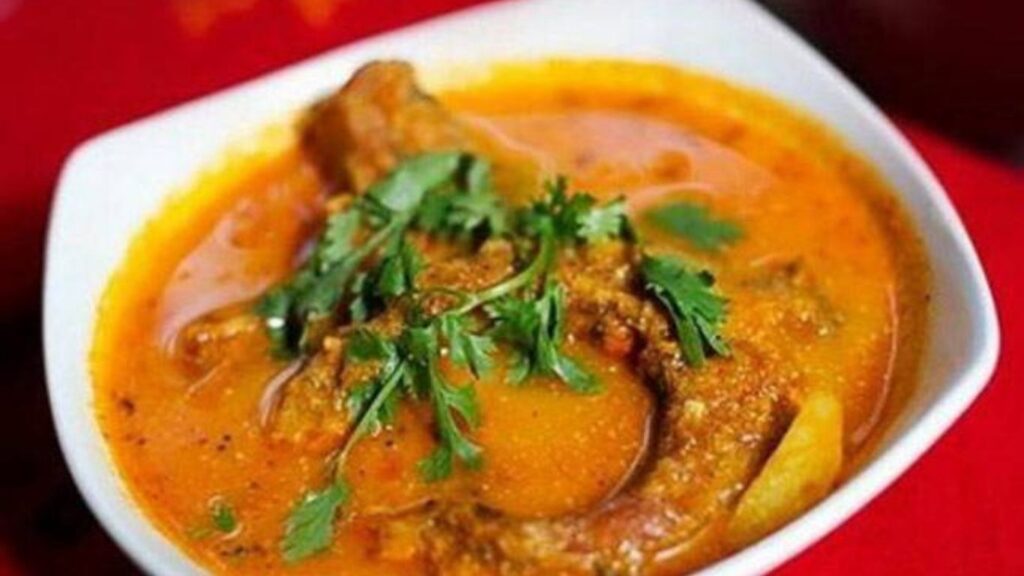
The single most iconic dish in any Assamese food guide. “Tenga” means sour in Assamese, and this light, tangy fish curry gets its character from tomatoes, raw mango, lemon, or elephant apple. It’s typically made with fresh river fish and pairs perfectly with steamed rice — a dish locals eat year-round but especially during warmer months, since it aids digestion after heavier meals.
2. Khar
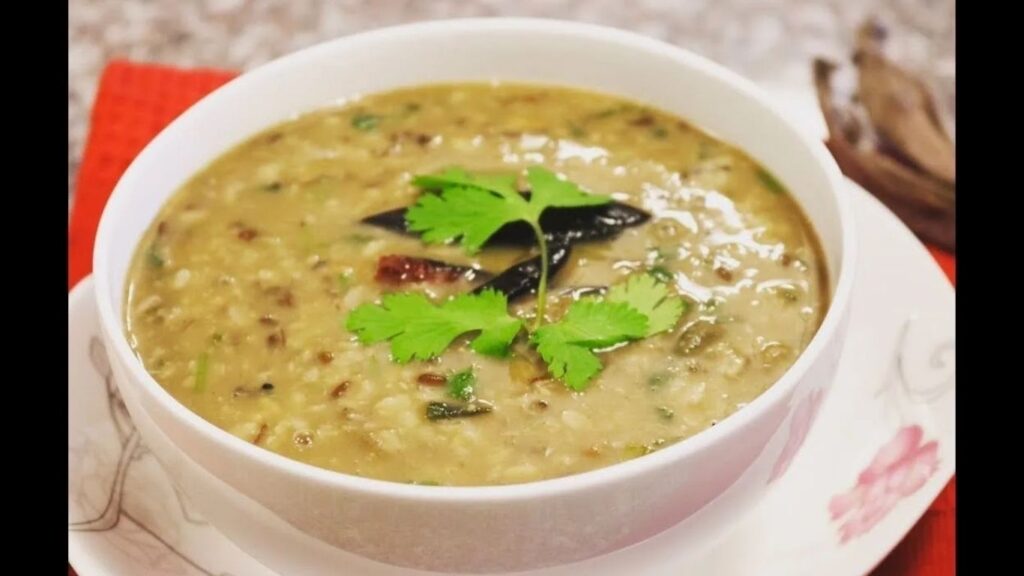
Possibly the most distinctive entry in this entire Assamese food guide, khar is made by filtering water through the ashes of sun-dried banana peels to create an alkaline extract, which is then cooked with raw papaya, lentils, or vegetables. No traditional Assamese feast is considered complete without it. It tastes nothing like anything in mainstream Indian cuisine — earthy, slightly bitter, and entirely unique.
3. Aloo Pitika
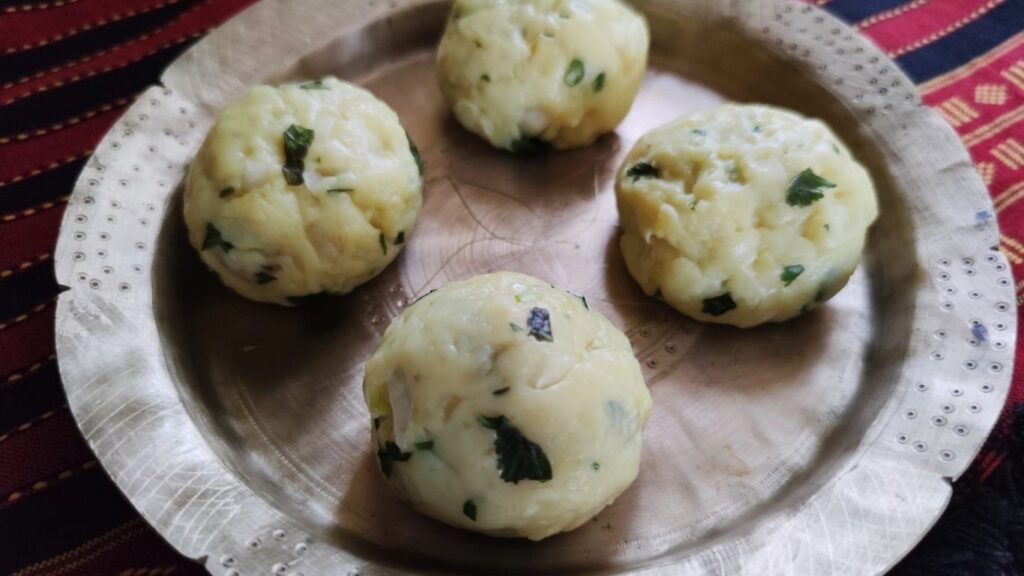
Assam’s answer to mashed potatoes — boiled potatoes mashed with mustard oil, raw onion, green chili, and coriander leaves. Simple, comforting, and found in nearly every household and local eatery across Upper Assam. It’s the dish most travellers end up craving again after they’ve left.
4. Baanhgajor Lagot Kukura (Chicken with Bamboo Shoot)
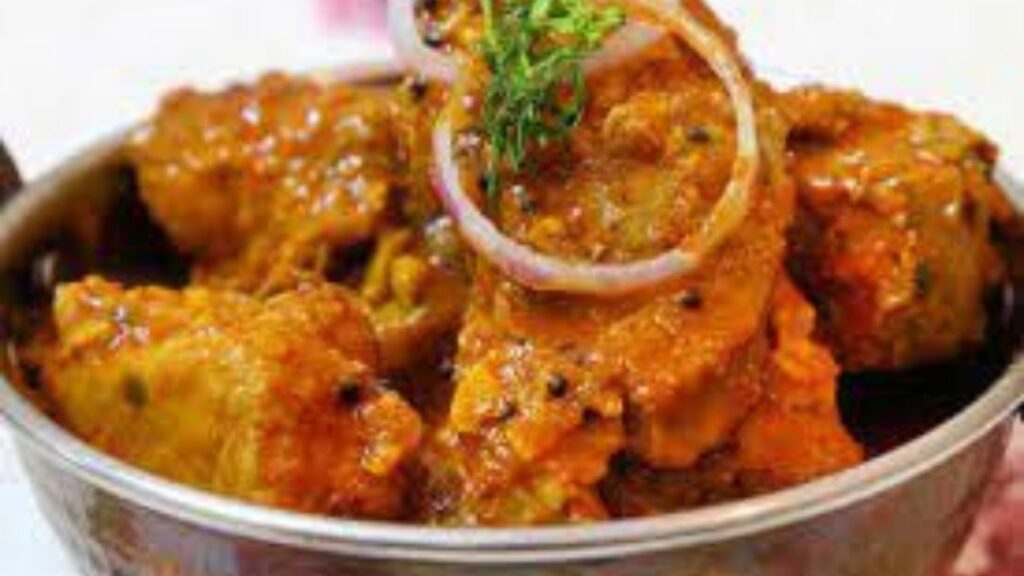
A Jorhat specialty worth highlighting in any serious Assamese food guide — chicken curry cooked with fermented bamboo shoot, giving it a distinct earthy, slightly sour edge that’s lighter and more accessible than the pork version for first-time visitors to fermented flavors.
5. Pork with Bamboo Shoot
If you eat pork, this is widely considered one of Assam’s signature dishes — slow-cooked pork with fermented bamboo shoot, creating an intensely aromatic, smoky flavor.Assamese food guide. It’s especially popular among Assam’s tribal communities and is a must-try if you’re visiting tribal villages near Majuli or Kaziranga.
6. Duck Curry (Hanhor Mangxo)
Duck holds celebratory status in Assamese cuisine — it’s feast food, not everyday food. Traditionally cooked with ash gourd, sesame, or black pepper, with relatively few spices so the duck’s natural richness comes through. Maihang Ethnic Restaurant in Jorhat is particularly well known for its Hanhor Mangxo, and it’s a dish you’ll often find served during Magh Bihu in January.
7. Pitha
A traditional rice-flour cake, sweet or savory, made in countless regional variations including Til Pitha (sesame) and Sunga Pitha (cooked inside bamboo). Pithas are central to Bihu festivals, but you’ll find fresh versions in local markets in Jorhat and Sivasagar year-round.
8. Ou Khatta (Elephant Apple Chutney)
A sweet-and-sour chutney made from “ou” — the elephant apple, a fruit unique to the region. It’s the kind of condiment that quietly elevates an entire thali, and most travellers don’t discover it until midway through their trip.
9. Doi Chira
A light, healthy breakfast made of flattened rice softened with curd and sweetened with jaggery or fruit. If you want a vegetarian, low-effort introduction to Assamese flavors first thing in the morning, this is it.
10. Paror Mangxo (Pigeon Meat Curry)
Less common but worth seeking out if you want a genuinely regional experience — pigeon meat curry, traditionally paired with koldil (banana flower), eaten especially in colder months for its warming quality.
A Short History of Assamese Cuisine
Understanding where these flavors come from adds real depth to this Assamese food guide. Assam’s cuisine has been shaped over centuries by its geography and its history of cultural exchange. The Brahmaputra River and its many tributaries made fish a central ingredient long before refrigeration or modern transport existed — communities simply cooked with what the river provided, fresh, daily.
The Ahom dynasty, which ruled Assam for nearly 600 years, introduced new ingredients and cooking techniques that still show up in dishes today. Assamese food guide Later, Mughal influence added richer, more layered flavors to certain festive preparations, while the British colonial era brought tea cultivation to the region — which is precisely why Assam is as globally famous for its tea gardens as it is for its food.
What ties all of this together is restraint. Unlike many Indian regional cuisines that lean on complex spice blends, Assamese cooking depends on technique: fermentation, smoking, and natural souring agents extract maximum flavor from minimal ingredients. This is part of why the cuisine can feel deceptively simple on the surface but deeply satisfying once you understand what’s actually happening in each dish.
Regional Differences Worth Knowing
This Assamese food guide wouldn’t be complete without flagging that “Assamese food” isn’t one single, uniform cuisine — it shifts noticeably depending on where you are in the state.
Upper Assam (Jorhat, Dibrugarh, Sivasagar): This is the region most relevant to a Jorhat-Majuli trip. Cooking here is more meat-focused, with a stronger bamboo shoot presence across both vegetarian and non-vegetarian dishes, and duck preparations are especially popular during winter feasts.
Lower Assam: Closer to Guwahati and the Bengal border, food here leans more fish-centric, with some Bengali culinary influence visible in cooking styles and ingredient choices.
Majuli Island specifically: Beyond the general Upper Assam style, Majuli has its own micro-cuisine shaped by its Satras and Mishing tribal communities, with a strong emphasis on rice-based dishes and vegetarian monastery meals that differ from anything you’ll find on the mainland.
Tribal regions (Dima Hasao, Karbi Anglong): While outside the immediate Jorhat-Majuli circuit, these areas are known for some of Assam’s boldest pork preparations, particularly pork with bamboo shoot — a dish that has become emblematic of the wider Northeast Indian food identity.
Food and Festivals: When to Visit for the Best Experience
If your travel dates are flexible, timing your trip around a festival can dramatically improve the food side of your Assamese food guide experience.
Magh Bihu (mid-January): Centered around the Uruka feast held the night before, this is when duck curry, joha kumura preparations, and an enormous spread of traditional dishes appear in homes and community gatherings across Upper Assam.Assamese food guide If you can plan a January visit, this is genuinely one of the best windows to eat well in the region.
Bohag Bihu (mid-April): Assam’s spring harvest festival, celebrated with an abundance of pithas — both sweet and savory — alongside community feasts that showcase the full range of seasonal Assamese cooking.
Raas Mahotsav in Majuli (November, full moon): While primarily a cultural and religious festival centered on the island’s Satras, it’s also an excellent opportunity to experience traditional vegetarian monastery meals alongside the performances and rituals.
Outside of these festival windows, you’ll still find excellent everyday Assamese food — but festival timing adds an entirely different layer to the experience, since many dishes are prepared in larger, more elaborate forms specifically for these occasions.
A Note on Assam Tea
No Assamese food guide is complete without acknowledging tea’s role beyond the cup. Jorhat sits at the heart of Assam’s tea-growing belt, and many heritage tea estate bungalows now host curated dining experiences that pair Assam tea with regional dishes — a pairing locals have understood for generations but that’s only recently being packaged as an experience for travellers.Assamese food guide If you visit a tea estate during your Jorhat stay, ask whether they offer a tea-pairing meal; it’s a different way to taste familiar dishes.
Best Places to Eat in Jorhat
- Chouka Ethnic Cuisine — One of Jorhat’s most popular spots for authentic Assamese and tribal thalis, loved by locals and travellers alike.
- Dhaba Nilkantha — Located roughly midway between Jorhat and Sivasagar, known for its Upper Assamese Thali, pork fry, and duck meat fry in dark gravy.
- Local eateries near B.G. Road — Several smaller restaurants here specialize in Assamese fish delicacies, both vegetarian and non-vegetarian.
Food Experiences in Majuli
Majuli deserves its own section in any Assamese food guide, since the food experience here is genuinely different from mainland Assam.
- Satras serve vegetarian meals — the island’s monasteries prepare simple, traditional Assamese vegetarian food as part of daily life, and some visitors are able to experience this firsthand.
- Homestays are the best option — staying with a local family on the island means home-cooked meals with no adjustments for tourist palates, just generations of technique applied to fresh, local ingredients.
- Try food prepared with bamboo and woodfire — many island households still cook over traditional woodfire setups, giving dishes a distinct smoky depth you won’t find in mainland restaurants.
Food Etiquette and Practical Tips
- Eat local, not “international.” Small eateries and homestays consistently offer a more genuine experience than larger tourist-oriented restaurants.
- Ask before photographing tribal kitchens. Some communities prefer privacy around food preparation, especially in smaller villages.
- Portions are generous. Order in moderation when trying a thali for the first time — it’s easy to over-order.
- Pair meals with Assam tea. It’s not just a beverage here; it’s practically part of the meal itself, especially after a heavy lunch.
- Spice levels are mild — except when they’re not. Bhut jolokia (ghost pepper) does make appearances in some dishes, so always ask before ordering if you’re spice-sensitive.
Common Mistakes First-Time Visitors Make
Even well-prepared travellers tend to slip up on a few things when navigating Assamese food for the first time:
Assuming it’ll be spicy like North Indian food. Many visitors order cautiously, expecting heat, and end up underwhelmed by how mild most dishes actually are — then miss out on bolder flavor combinations they would have genuinely enjoyed.
Skipping khar because it sounds unusual. The alkaline preparation puts some travellers off before they’ve even tasted it. It’s one of the most distinctive, memorable dishes in the entire region, and skipping it means missing the one flavor you genuinely can’t replicate anywhere else in India.
Sticking only to restaurants in town. The best Assamese food in the Jorhat-Majuli region is consistently reported to come from homestays and smaller family-run eateries rather than larger, more visible restaurants aimed at tourists.
Not asking about bamboo shoot fermentation levels. Fermented bamboo shoot dishes can range from mild to intensely pungent depending on how the kitchen prepares it. Assamese food guide. If you’re new to the flavor, ask for a milder version rather than assuming all bamboo shoot dishes taste the same.
Forgetting to try breakfast options. Most travellers focus entirely on lunch and dinner thalis and skip dishes like Doi Chira entirely, missing one of the most approachable, refreshing parts of Assamese cuisine.
Frequently Asked Questions
1. Is Assamese food spicy? No, Assamese food is generally mild and flavor-forward rather than heat-forward, relying more on souring agents and fermentation than chili. The exception is dishes specifically made with bhut jolokia (ghost pepper).
2. What is the most famous Assamese dish? Masor Tenga, a tangy fish curry, is widely considered the most iconic dish in Assamese cuisine and a great starting point for first-time visitors.
3. Are there good vegetarian options in Assamese cuisine? Yes — khar with papaya, ou khatta (elephant apple chutney), aloo pitika, and stir-fried greens like lai xaak are all vegetarian staples.
4. What should a first-timer order in Jorhat? Start with Masor Tenga and Til Pitha for a balanced introduction, then move on to bamboo shoot-based dishes if you’re comfortable with fermented flavors.
5. Can I find authentic Assamese food in Majuli, or is it only available in Jorhat? Majuli has its own strong food culture, especially through homestays and Satra meals, often considered more authentic than restaurant food in larger towns.
6. What is khar and is it safe for tourists to try? Khar is a traditional alkaline dish made from filtered banana-peel ash, and yes, it’s completely safe — it’s a staple in everyday Assamese households, not an extreme or risky preparation.
7. Is duck curry available year-round or only during festivals? While duck curry (Hanhor Mangxo) is especially popular during Magh Bihu in January, many specialty restaurants like Maihang Ethnic Restaurant in Jorhat serve it throughout the year.
Conclusion
This Assamese food guide should give you a solid foundation for eating well during your Jorhat and Majuli trip — from the iconic tang of Masor Tenga to the quiet comfort of Aloo Pitika and the genuinely unique experience of khar. Pair your Northeast India travel itinerary with a few of these dishes, and you’ll come away with a far richer sense of Assam than sightseeing alone could ever offer.