
Travel in India: A Complete Guide for First-Time Visitors
India is not a single destination it is a continent of experiences packed into one country. From snow-capped Himalayan peaks to sun-soaked tropical beaches, from 5,000-year-old temple towns to glass-and-steel megacities, travel in India offers a different adventure in almost every state. For first-time visitors, the sheer scale and diversity can feel overwhelming, which is exactly why a clear, practical guide makes all the difference.
This guide covers everything you need to plan a smooth, memorable, and budget-friendly trip across India, including when to go, where to go, how to get around, and what to expect once you land.Travel in India
Why Travel in India?
Few countries offer this much variety within a single border. India is home to UNESCO World Heritage Sites such as the Taj Mahal and Hampi, vibrant festivals like Diwali and Holi, a cuisine that changes completely from region to region, and landscapes ranging from the Thar Desert to the backwaters of Kerala. It is also one of the most affordable destinations in the world for international travelers, making it possible to experience luxury, culture, and adventure without a luxury-sized budget. Travel in India
Best Time to Visit India
India’s climate varies sharply by region, so timing your trip well matters more here than in most countries.
Winter (October to March) is the most popular season for tourism. Temperatures are pleasant across most of the country, making it ideal for visiting North India, Rajasthan, and Delhi-Agra-Jaipur (the Golden Triangle).Travel in India
Summer (April to June) is hot across the plains but is the right season for hill stations like Shimla, Manali, and Darjeeling, which stay cool and scenic.
Monsoon (July to September) brings heavy rain to most of the country but transforms Kerala and the Western Ghats into lush, green landscapes — a favorite time for Ayurvedic wellness retreats.
If your trip includes the Himalayas, plan for May–June or September–October, avoiding both peak winter snow and monsoon landslides.
Top Destinations for Travel in India
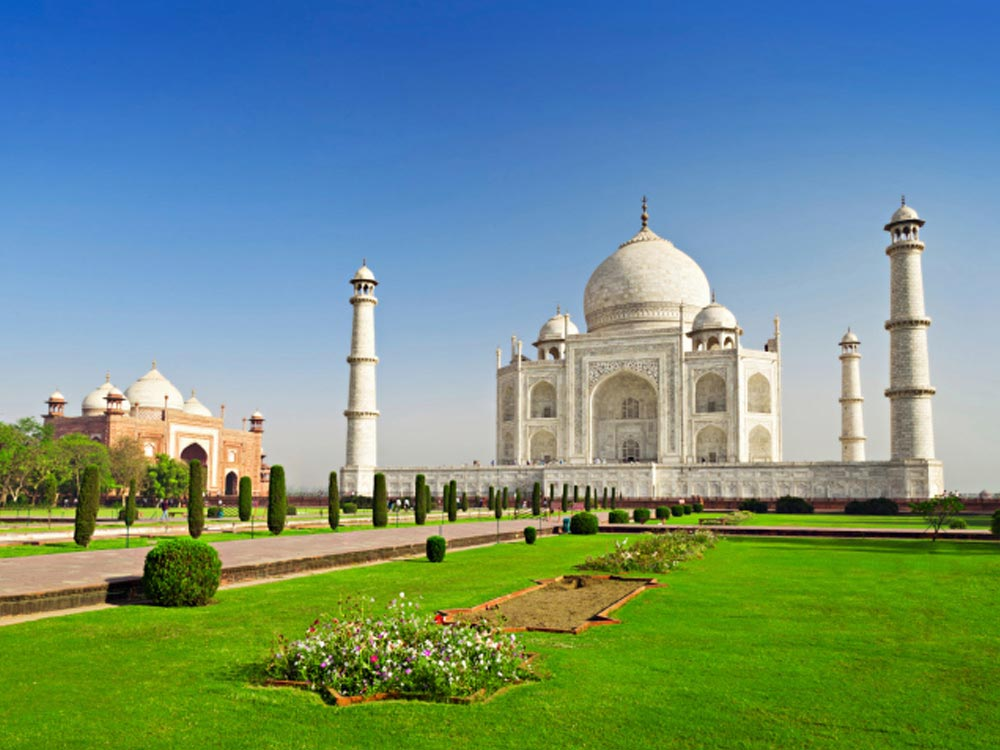
1. The Golden Triangle (Delhi, Agra, Jaipur)
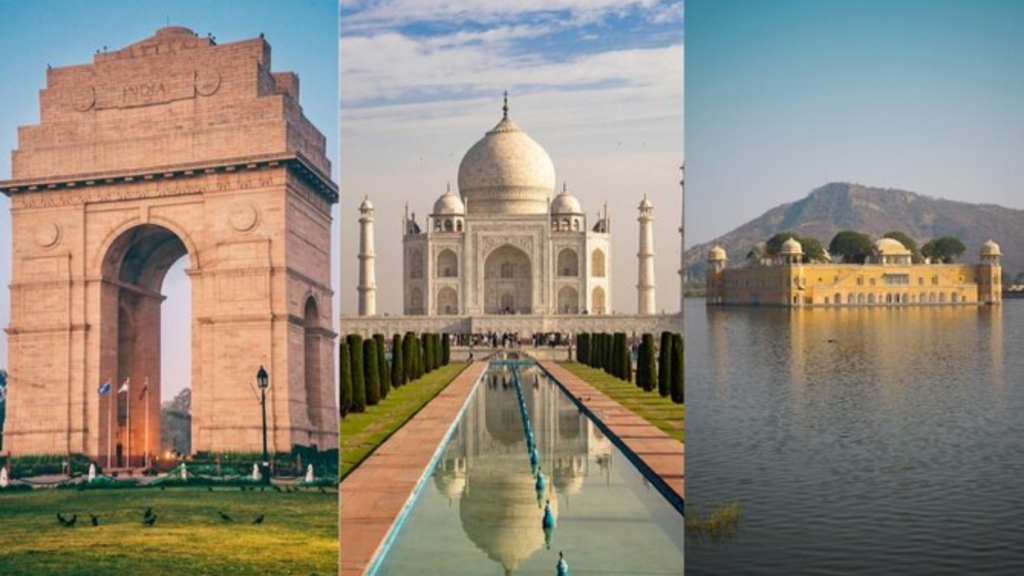
This classic circuit is the easiest introduction to India. Delhi offers Mughal-era forts and modern markets, Agra is home to the Taj Mahal, and Jaipur’s pink-hued old city showcases royal Rajasthani architecture.Travel in India
2. Kerala
Known as “God’s Own Country,” Kerala combines backwater houseboat cruises, tea plantations in Munnar, and quiet beaches in Varkala — ideal for slower, nature-focused travel.
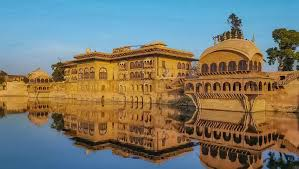
3. Rajasthan
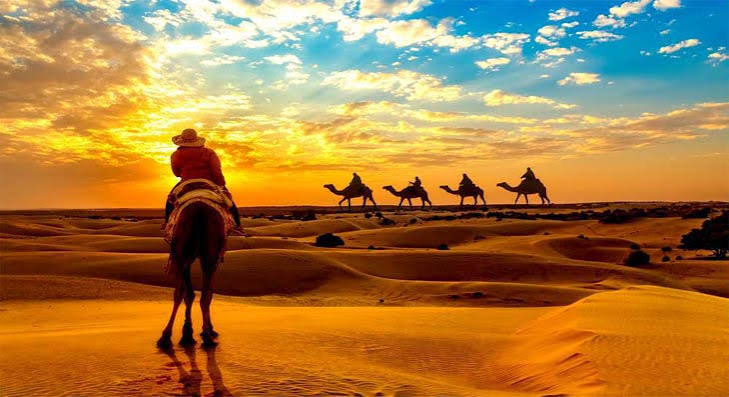
Beyond Jaipur, cities like Udaipur, Jodhpur, and Jaisalmer offer lake palaces, blue-painted old towns, and desert safaris on camelback.Travel in India
4. Goa
India’s smallest state is famous for Portuguese-era churches, beach shacks, and a relaxed coastal lifestyle that suits both backpackers and luxury travelers.
5. Varanasi
One of the world’s oldest continuously inhabited cities, Varanasi offers an intense, spiritual experience along the ghats of the Ganges River.
6. Ladakh
For travelers seeking high-altitude landscapes, Buddhist monasteries, and dramatic mountain passes, Ladakh in the far north is increasingly popular among adventure tourists.Travel in India
Getting Around India
India’s domestic transport network is extensive and budget-friendly. Trains remain the most iconic way to travel long distances and connect almost every city; booking a few weeks ahead is recommended during peak season. Domestic flights are inexpensive and useful for covering large distances quickly, especially between regions like Kerala and Rajasthan. Within cities, app-based cabs and auto-rickshaws are Travel in Indiaconvenient, while hiring a private driver for multi-day road trips is common and affordable for groups.
Budget Tips for Traveling in India
India can suit almost any budget. Backpackers can comfortably manage on a modest daily budget covering hostels, street food, and local transport, while mid-range travelers can enjoy comfortable hotels and private transport without overspending. A few practical tips: book trains in advance, eat at local “dhabas” for authentic and inexpensive meals, negotiate rickshaw fares or use ride-hailing apps, and avoid exchanging currency at airports, where rates are usually poor.Travel in India
Food You Must Try
Indian cuisine is regional, not singular. In the north, try butter chicken, chole bhature, and tandoori dishes. In the south, don’t miss dosa, idli, and filter coffee. Street food lovers should sample pani puri, vada pav, and chaat, while Kerala’s seafood curries and Punjab’s rich dals round out a trip that is as much about eating well as sightseeing.
Safety and Practical Travel Tips
Drink bottled or filtered water, and ease into spicy street food gradually if you’re not used to it. Dress modestly when visiting temples, mosques, and rural areas. Keep digital copies of your passport and visa, and use registered taxi services or ride-hailing apps after dark in unfamiliar cities. Most nationalities can apply for an e-Visa online before arrival, though requirements vary by passport — always check the latest official guidelines before booking flights.
Conclusion
Travel in India rewards curiosity. Whether you’re chasing history in Rajasthan’s forts, relaxation on Kerala’s backwaters, spirituality in Varanasi, or adventure in the Himalayas, India offers an experience tailored to almost any travel style and budget. The key to a great trip is balancing ambition with realism — pick a region or two rather than trying to see the entire country in one visit, plan around the right season, and stay open to spontaneity. Do that, and India will likely become one of the most memorable destinations you’ve ever visited.Travel in India
Frequently Asked Questions (FAQs)
1. What is the best time of year to travel in India? October to March is generally the best window for most of the country, offering cooler, more comfortable weather for sightseeing in North and Central India. Summer suits Himalayan hill stations, and monsoon season is ideal for Kerala’s green landscapes.
2. Is India safe for solo travelers and tourists? India is generally safe for tourists who take standard precautions, such as using registered transport, staying in well-reviewed accommodation, and being cautious in crowded or unfamiliar areas at night. Millions of solo and international travelers visit each year without incident.
3. How many days do I need to see India? It depends on your goals, but most first-time visitors spend 10–14 days covering one or two regions in depth, such as the Golden Triangle plus Rajasthan, or Kerala plus Goa, rather than attempting the whole country at once.
4. Do I need a visa to travel to India? Most foreign nationals require a visa, and many are eligible for India’s e-Visa, which can be applied for online before travel. Requirements and processing times vary by nationality, so check the official Indian government visa portal closer to your travel dates.
5. Is India an expensive country to travel in? India is one of the more affordable major travel destinations in the world. Backpackers can travel comfortably on a tight daily budget, while mid-range and luxury travelers also get strong value compared to similar experiences in Europe or North America.