
Discovering India: The Ultimate 2026 Travel Guide for Every Adventurer
India is a land where ancient traditions collide with a rapidly modernizing future. It is a country that doesn’t just offer sightseeing; it offers a profound transformation of perspective. With its diverse climate zones, distinct regional cuisines, and a history that spans millennia, India remains one of the most rewarding destinations on the planet for 2026.
Whether you are seeking the silence of a Himalayan monastery, the chaotic energy of a Delhi marketplace, or the serene, spice-scented air of a tea plantation in the south, this guide will help you navigate the nuances of the subcontinent.
The 2026 Travel Landscape: Why Now?
This year, the Indian tourism sector has shifted significantly toward Travel Guide for Every Adventurer
Top Regions to Explore
1. The Himalayan Escape: Himachal & Ladakh
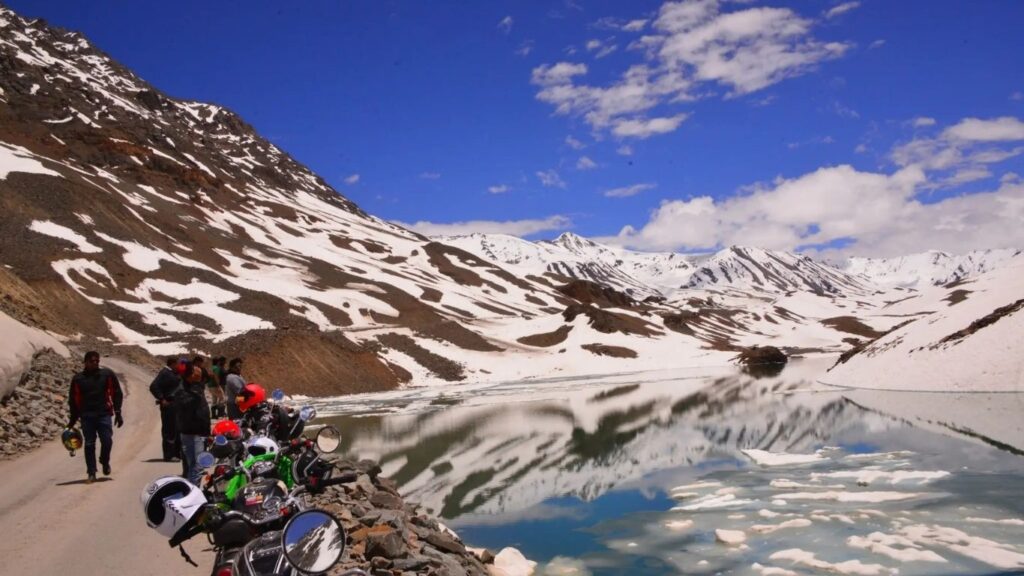
The North is perfect for those seeking an escape from the tropical heat. In 2026, the focus has shifted toward the hidden valleys of Kinnaur and Spiti. These regions offer rugged landscapes that feel like the surface of the moon, dotted with monasteries that have stood for centuries.Travel Guide for Every Adventurer
2. The Tropical South: Kerala & Karnataka
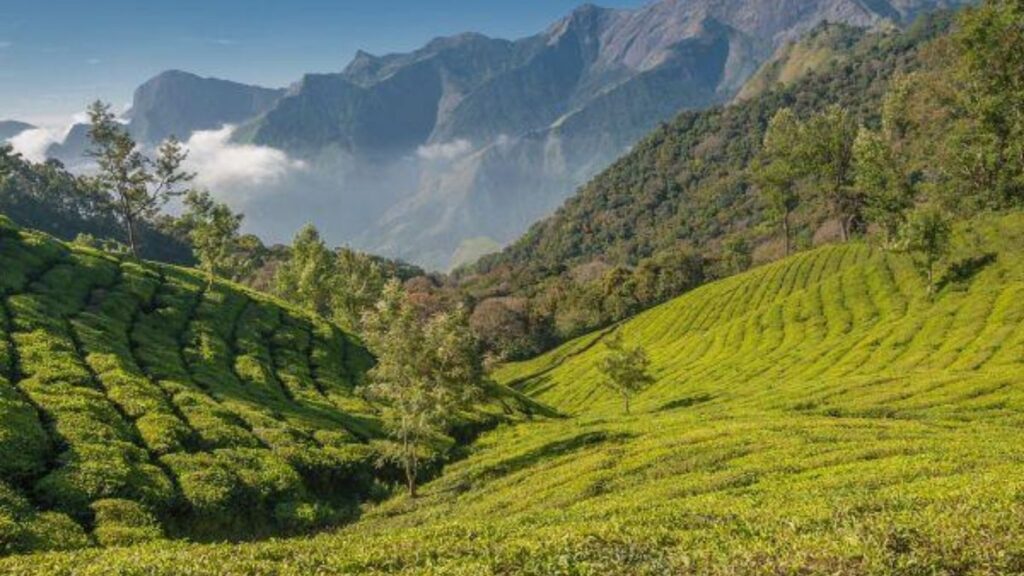
For nature lovers, the Western Ghats and the backwaters of Kerala provide a lush, green sanctuary. The trend this year is “Wellness Tourism,” where travelers check into eco-resorts for extended Ayurvedic detox programs, yoga retreats, and farm-to-table culinary experiences..Travel Guide for Every Adventurer
3. The Untouched East: Meghalaya & Arunachal Pradesh
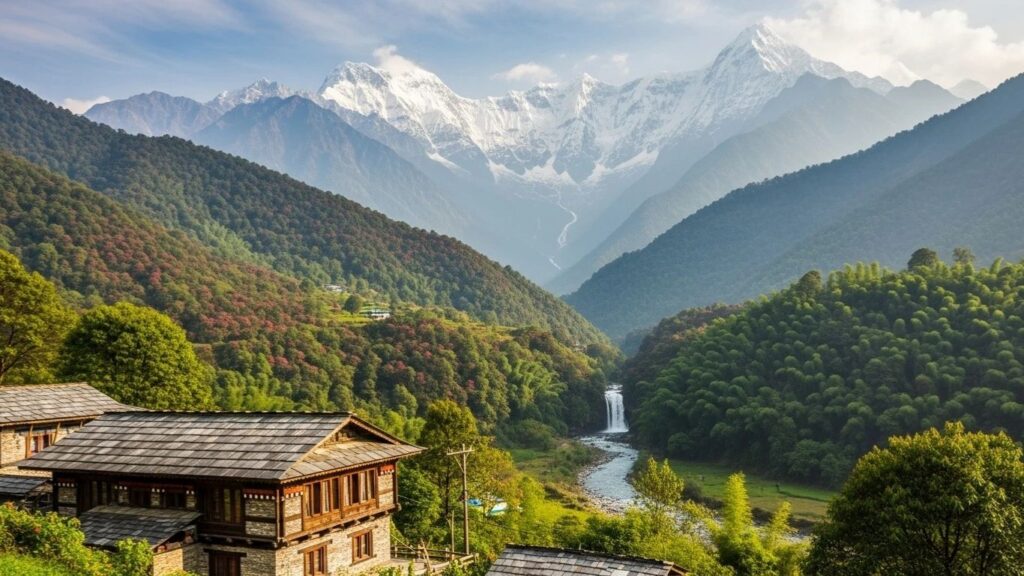
Often called the “Land of the Seven Sisters,” Northeast India is gaining popularity among offbeat travelers. Known for its living root bridges, pristine waterfalls, and unique tribal festivals, this region is the final frontier for those tired of the traditional tourist circuit.Travel Guide for Every Adventurer
Culinary Heritage: A Taste of India
You cannot discuss India without mentioning its food. Every 100 kilometers, the flavor profile changes.
- North: Rich, creamy gravies, tandoor-cooked breads, and heavy dairy usage.
- South: Coconut-based curries, fermented rice-based dishes like Dosa and Idli, and an extensive use of curry leaves.
- East: A paradise for seafood lovers, featuring mustard-based gravies and subtle yet complex spice blends.
- West: A mix of vibrant street food culture, including iconic snacks like Vada Pav and Dhokla.Travel Guide for Every Adventurer
Practical Wisdom for the Modern Traveler
- Digital Integration: India is largely a cash-less society now. Ensure you have a digital payment app compatible with local systems to pay for everything from street chai to rickshaw rides.
- Dress with Respect: While modern Indian cities are cosmopolitan, it is always recommended to dress modestly, especially when visiting temples, mosques, or rural villages..Travel Guide for Every Adventurer
- The Art of “The Buffer Day”: India is unpredictable. Whether it’s a sudden festival or a train delay, always build a “buffer day” into your itinerary to avoid stress.
- Choose Your Transport: Use trains for the quintessential Indian experience—the journey is often more interesting than the destination. For shorter, faster hops, domestic budget airlines are incredibly efficient.Travel Guide for Every Adventurer
Conclusion
India is a sensory overload in the best possible way. It challenges you, comforts you, and eventually, leaves you with a longing to return. By choosing to travel slow, engaging with local communities, and keeping an open heart, you aren’t just visiting a country—you are becoming a part of its eternal, vibrant story. 2026 is the perfect time to start your chapter.Travel Guide for Every Adventurer
Frequently Asked Questions (FAQ)
1. Is it better to book a tour or travel independently in India? It depends on your comfort level. Independent travel is very rewarding and flexible, but if it is your first time in India, a hybrid approach—booking a local guide for complex city tours while traveling between cities on your own—is often the best balance.
2. How do I manage my health while traveling? Drink only filtered or bottled water. When trying street food, look for stalls that are busy with locals—this usually indicates high turnover and fresher ingredients. Carry a basic personal first-aid kit.
3. What is the visa process for international travelers? Most visitors can apply for an e-Visa through the official Government of India portal. Ensure you apply at least two weeks before your departure date.
4. Can I rely on English, or do I need to learn Hindi? English is widely spoken in urban areas, hotels, transport hubs, and by the younger generation. In rural areas, a basic translation app or learning a few polite phrases in the local language will go a long way.
5. What is the most “must-do” experience in India? While subjective, a sunrise visit to the Taj Mahal, a boat ride in the Varanasi ghats, and a stay in a Kerala houseboat are consistently rated as the top “bucket list” experiences.
Meta Description: Planning a trip? Discover the ultimate 2026 guide to traveling in India. From offbeat Himalayan treks to serene Kerala wellness retreats, explore the best of India with our expert tips on culture, food, and logistics.