
The Ultimate Guide to Korean Food in India Top Dishes, Hidden Gems, and Vegetarian Swaps famous Korean food in India
The Hallyu wave (Korean Wave) has taken India by storm. It started with catchy K-Pop beats and addictive K-Dramas, but today, the obsession has firmly moved into the kitchen. Walk into any major city, from Delhi and Mumbai to Bengaluru and Northeast India, and you will find foodies eagerly holding chopsticks over steaming bowls of ramen or sizzling plates of meat.
The vibrant colors, rich textures, and bold uses of garlic, chili, and fermentation have made Korean food in India an absolute sensation. Because Indian palates are already hardwired to love intense flavors, spicy profiles, and deep savory notes (umami), the transition to Korean cuisine feels incredibly natural.
Whether you are a seasoned K-drama fan trying to recreate your favorite onscreen meals or a curious foodie looking for your next culinary adventure, this comprehensive guide covers the most famous Korean food in India , essential ordering tips, and how the cuisine has adapted to meet local preferences.
Why Korean Food is Booming in India
The explosive rise of Korean food culture in India is not an accident. Over the last few years, a perfect storm of pop culture and culinary alignment has completely changed how Indians eat out.
- The K-Drama Effect: Shows like Crash Landing on You, Itaewon Class, and Squid Game did more than just tell great stories—they showcased food as a central character. Watching characters enjoy crispy fried chicken or comforting stews late at night left viewers craving those exact flavors.
- The Spicy Alignment: Korean cuisine relies heavily on Gochugaru (red pepper flakes) and Gochujang (fermented chili paste). This shared love for heat made it incredibly easy for the Indian palate to embrace Korean dishes without feeling overwhelmed by unfamiliar flavor structures.
- The Comfort Food Factor: At its core, Korean food is soulful. It features sticky rice, rich broths, savory pancakes, and shared table-top grilling—elements that deeply resonate with traditional Indian dining habits, where food is a communal, comforting experience.famous Korean food in India
5 Most Famous Korean Foods in India You Must Try
If you are stepping into a Korean restaurant for the first time, the menu can feel a bit overwhelming. To help you navigate, here are the top five most celebrated dishes currently dominating the Indian food scene.
1. Tteokbokki (Spicy Rice Cakes)
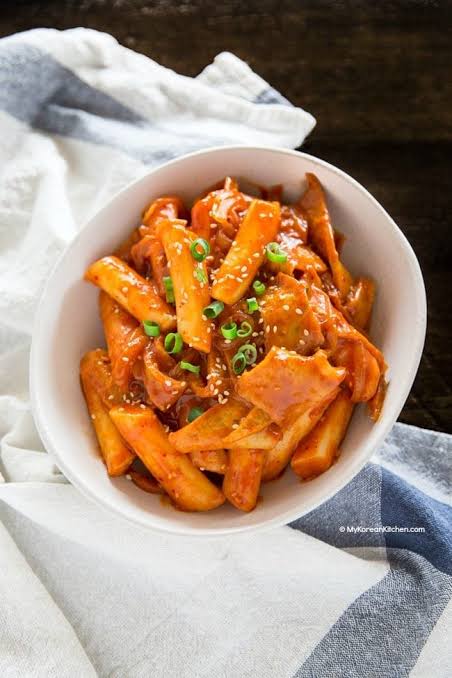
If you have ever watched a casual street-food scene in a K-drama, you have seen Tteokbokki. These are chewy, cylindrical rice cakes drenched in an intense, bright-red, sweet-and-spicy sauce made from Gochujang.
In India, Tteokbokki has become a massive hit, particularly among college students and young adults. The texture is uniquely chewy—almost like a savory mochi—and it is often tossed with fish cakes, boiled eggs, and a mountain of melted mozzarella cheese to create a rich, pull-apart dish that balances the heat perfectly.famous Korean food in India
2. Kimchi (The Fermented Soul of Korea)
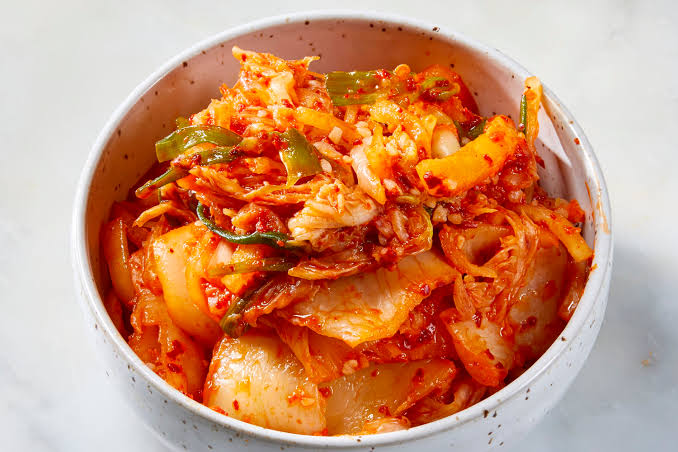
No Korean meal is complete without Kimchi. It is a traditional side dish made from salted, fermented vegetables—most commonly napa cabbage or radishes—packed with chili powder, garlic, ginger, and scallions.
Beyond its distinct tangy and fiery crunch, Kimchi is a nutritional powerhouse rich in probiotics, vitamins, and gut-healthy bacteria. In India, Kimchi is loved so much that it is no longer just a side dish; home cooks and cafes are actively fusing it into local favorites, creating everything from Kimchi parathas to Kimchi fried rice.famous Korean food in India
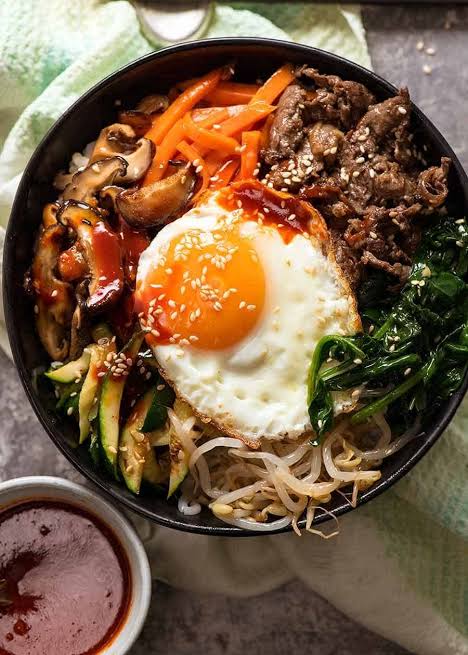
3. Bibimbap (The Ultimate Rice Bowl)
For those looking for a wholesome, well-balanced meal, Bibimbap is the gold standard. The word literally translates to “mixed rice.”e It features a warm bed of white rice topped with neatly arranged, seasoned vegetables (namul), mushrooms, a protein of choice (beef, chicken, or tofu), and a fried egg right in the center.
Before eating, you add a generous dollop of Gochujang paste and mix everything vigorously together. The magic of Bibimbap lies in how the hot rice subtly cooks the runny egg yolk, binding the spicy paste and fresh vegetables into a unified flavor profile. In India, the Dolsot Bibimbap (served in a sizzling hot stone pot) is incredibly popular because it creates a delicious, crispy layer of golden rice at the bottom of the bowl.famous Korean food in India
4. Korean Fried Chicken (KFC)
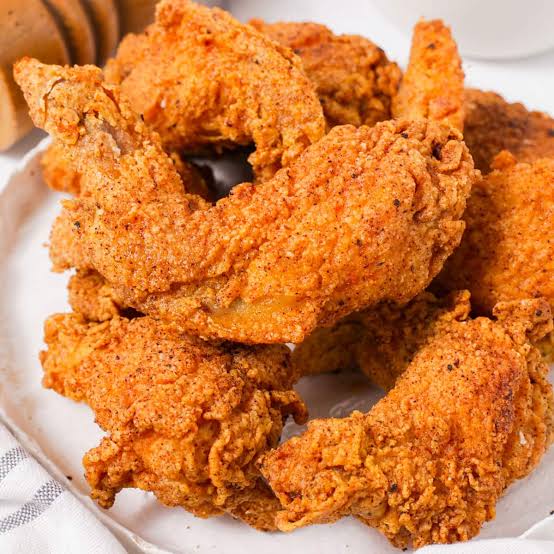
Move over American fast food—Korean Fried Chicken has taken the crown. Known in Korea as Chimeg (a portmanteau of chicken and maekju, the Korean word for beer), this dish is famous for its impossibly thin, crackly, and ultra-crispy crust.
The secret to this legendary crunch is a double-frying technique that renders out the fat, leaving the skin paper-thin and crisp Once fried, the chicken is tossed in either a sweet and savory garlic-soy glaze or a fiery, sticky sweet-and-spicy sauce. It is highly addictive and a staple appetizer across every Korean eatery in India.
5. Gimbap (Korean Seaweed Rice Rolls)
At first glance, Gimbap looks a lot like Japanese sushi, but its flavor profile is entirely different. Instead of seasoned vinegared rice, Gimbap uses rice coated in savory sesame oil. The filling rarely features raw fish; instead, it is packed with cooked ingredients like pickled radish, carrots, spinach, egg, and proteins like tuna, crab sticks, or tofu, all tightly rolled in dried seaweed sheets (gim).famous Korean food in India
Gimbap is light, portable, and incredibly savory. It has quickly become a go-to healthy lunch option for office goers and a staple addition to casual picnic spreads across urban India.
The Rise of Vegetarian Korean Food in India
One of the biggest initial hurdles for authentic Korean food in India was its heavy reliance on meats (pork and beef) and seafood bases (like fish sauce and shrimp paste in Kimchi). However, to cater to India’s massive vegetarian population, the cuisine has undergone a brilliant transformation.
Today, premier Korean restaurants use completely plant-based alternatives to replicate authentic flavors seamlessly:
- The Umami Swap: Traditional fish sauces are replaced with high-quality soy sauces, kelp (seaweed) broths, and fermented soybean pastes (Doenjang) to preserve that deep, classic savory depth.
- Protein Substitutes: King oyster mushrooms, extra-firm tofu, and textured vegetable protein (TVP) are expertly marinated to mimic the textures of classic meat dishes like Bulgogi.
- Pure Veg Kimchi: Dedicated vegetarian Kimchi brands have cropped up across India, swapping out traditional seafood pastes for apple or pear purees to kickstart a perfectly natural fermentation process.famous Korean food in India
Quick Reference: Flavor Guide & Pricing in India
To help you plan your next dining budget or shopping list, here is a breakdown of what to expect when exploring Korean food options locally.
| Dish Name | Primary Flavor Profile | Popular Vegetarian Substitutes | Average Cost in India (INR) |
| Tteokbokki | Spicy, sweet, intensely chewy | Extra cheese, mushrooms, tofu cubes | ₹350 – ₹500 |
| Kimchi | Tangy, pungent, fiery, sour | Vegetarian fermented cabbage brands | ₹200 – ₹400 (per jar) |
| Bibimbap | Savory, earthy, customizable heat | Stir-fried tofu, paneer, mixed greens | ₹450 – ₹650 |
| Korean Fried Chicken | Sweet-savory glaze or spicy heat | Crispy fried cauliflower, lotus stem | ₹400 – ₹600 |
| Gimbap | Savory, nutty (sesame oil), fresh | Pickled vegetables, avocado, tofu | ₹350 – ₹500 |
Conclusion: Why the K-Food Trend is Here to Stay
The phenomenal success of Korean food in India proves that great food knows no borders. What started out as a niche trend driven by late-night K-drama binges has successfully transformed into a mainstream culinary staple. By beautifully blending its traditional cooking techniques with India’s vast demand for vegetarian options, Korean cuisine has earned a permanent home on the Indian plate.
If you haven’t yet explored this vibrant world of flavors, there is no better time to start. Head over to a local Korean diner, grab a steaming plate of Tteokbokki or a comforting bowl of Bibimbap, and experience the delicious magic of Seoul right here in India.famous Korean food in India
Frequently Asked Questions (FAQs)
Q1: Is Korean food in India very spicy?
A: While dishes like Tteokbokki and Buldak (fire chicken) carry a serious punch of heat, the spice is completely different from Indian chili heat. Korean heat tends to be slightly sweeter and more umami-forward due to the use of fermented pastes. Many dishes like Gimbap, Bulgogi, and garlic-soy fried chicken are entirely mild and savory.
Q2: Can I find pure vegetarian Korean food?
A: Absolutely! Due to the high demand in India, most restaurants now offer dedicated vegetarian sections. You can easily find vegetarian versions of ramen, veg Gimbap, tofu Bibimbap, and Kimchi made entirely without fish sauce.
Q3: What are the best cities in India to try authentic Korean food?
A: Delhi-NCR (especially Majnu ka Tilla and Gurgaon), Mumbai, Bengaluru, Pune, and Chennai boast some of the most authentic Korean restaurants in the country, largely due to established expat communities and a thriving youth food culture.