
Meta Description: Looking for the ultimate culinary K-adventure? Discover the best Korean food in India, featuring top restaurants, must-try dishes, and where to find authentic K-flavors.
The global wave of Korean culture has taken India by storm. While K-pop and K-dramas initially captured our hearts, it is the rich, fiery, and deeply comforting flavors of South Korea that have firmly captured our palates. From the bustling alleys of Delhi’s Majnu Ka Tila to the high-end corporate hubs of Mumbai and Bengaluru, searching for the best korean food in india has become a mainstream obsession for foodies.
Whether you are a seasoned connoisseur craving real tableside barbecue or a curious beginner eager to try your very first bowl of spicy tteokbokki, India’s culinary landscape has evolved to satisfy your cravings. Let us take an in-depth journey through the finest dining spots, iconic street foods, and essential dishes that define the best korean food in india today.
Why Korean Cuisine is Exploding Across India
At first glance, Korean and Indian culinary traditions might seem worlds apart. However, they share an incredible baseline: a deep love for bold spices, pungent garlic, slow-cooked meats, and complex fermentation techniques.
The smoky depth of Korean Gochujang (red chili paste) resonates beautifully with the Indian love for intense, layered masalas. Additionally, the communal nature of a Korean meal—where an array of banchan (side dishes) is shared openly across the table—perfectly mirrors traditional family dining style in India. This cultural synergy is exactly why finding the best korean food in india is no longer a difficult task.
Top Cities Serving the Best Korean Food in India
If you want to experience truly authentic flavors, certain urban culinary hubs stand out. Chefs from Seoul and dedicated expat communities have set up phenomenal eateries across metropolitan areas.
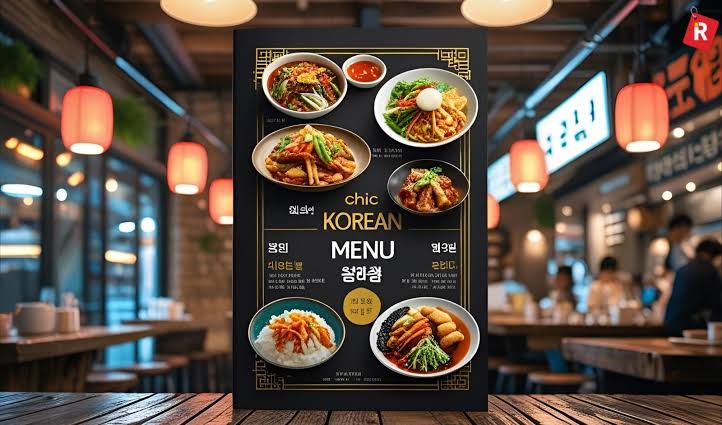
1. Delhi NCR: The Undisputed Capital of K-Food
Delhi NCR is arguably the best region to explore if you want a complete, uncompromising taste profile.
- Gung The Palace (Gurugram & Green Park): Often cited by culinary experts as the benchmark for the best korean food in india, this multi-story establishment features traditional floor seating and an extensive menu of over 70 authentic dishes.
- Hahn’s Kitchen (One Horizon Centre, Gurugram): A massive hit with the corporate crowd, this spot perfectly balances premium hospitality with traditional dishes like Samgyeopsal (grilled pork belly).
- Busan Korean Restaurant (Majnu Ka Tila): For younger crowds and students looking for budget-friendly comfort, this riverside spot serves outstanding hotpots and Haemul Pajeon (seafood pancakes).
2. Mumbai: Coastal Sophistication Meets Seoul
Mumbai’s food scene has integrated classic Korean profiles beautifully into its premium dining sectors.
- Hengbok (Andheri West): Translating literally to “happiness,” this spot is celebrated for its incredible Korean fried chicken and highly immersive tableside grills.
- Mirai (Bandra): Known for its revamped tableside BBQ hot-pot experiences, making it a hotspot for experimental food lovers looking for the best korean food in india.
- 3. Bengaluru & Chennai: Tech Hubs and Manufacturing Belts
Thanks to large corporate expat populations, Southern India boasts some of the most authentic, hidden gems.
- Homiga (Ashoka Nagar, Bengaluru): Marketed proudly as the city’s premier gateway to the “tiger’s flavor,” it serves a spectacular Bibimbap and rich Kimchi Jjigae.
- Aeseo (Chennai): Catering extensively to the local manufacturing community, this restaurant offers incredible built-in table grills where meats are freshly seared right before your eyes.
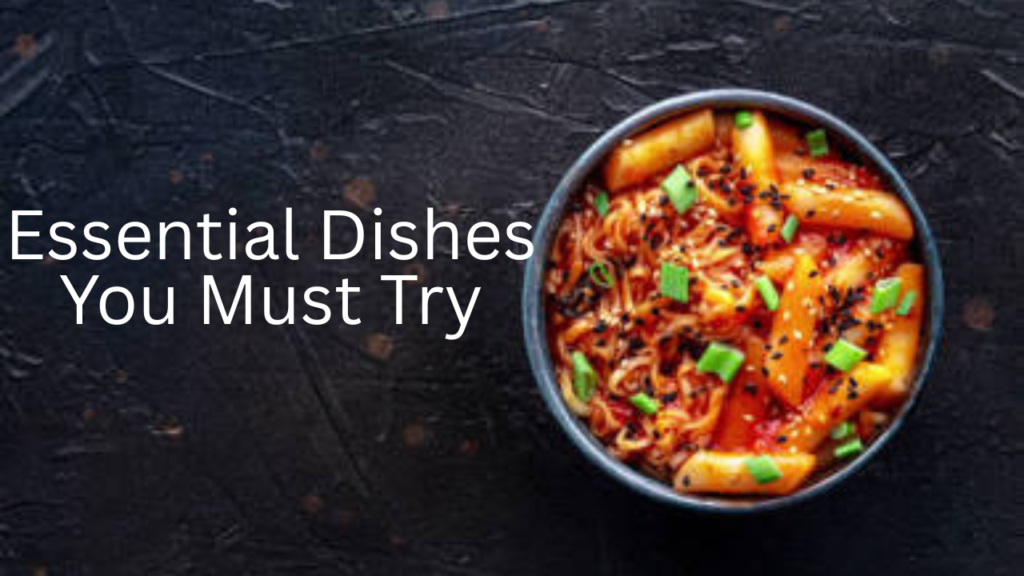
Essential Dishes You Must Try
To truly experience the best korean food in india, your order shouldn’t be limited to standard instant noodles. You need to explore the dishes that showcase true culinary depth.
| Dish Name | Primary Flavor Profile | What to Expect |
| Bibimbap | Savory, earthy, slightly spicy | A warm bowl of rice topped with seasoned vegetables, meat, a fried egg, and a dollop of Gochujang paste. |
| Tteokbokki | Sweet, fiery, deeply comforting | Chewy, cylindrical rice cakes drenched in a thick, spicy red pepper sauce. Often served with fish cakes. |
| Samgyeopsal | Smoky, rich, umami-heavy | Slices of pork belly grilled directly at your table, wrapped in fresh lettuce leaves with garlic and Ssamjang paste. |
| Kimchi Jjigae | Sour, spicy, intensely robust | A deeply simmered stew made with well-fermented kimchi, tofu, and meat. Perfect for a rainy day. |
The Art of the Korean Barbecue Experience
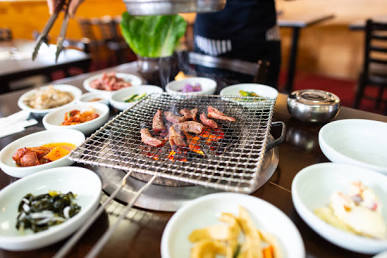
You cannot fully appreciate the best korean food in india without participating in a proper, interactive barbecue session. It is as much a social ritual as it is a meal.
1.Fire up the grill:Prerequisite: Table with central grill.
The servers bring out live charcoal or ignite the embedded gas grill at the center of your dining table.
2.Enjoy the Banchan:Continuous refills allowed.
An array of small side dishes, including aged Kimchi, sweet pickled radish, sweetened potatoes, and seasoned spinach, arrive to prime your palate.
3.Sear the meats:Watch the char carefully.
High-quality cuts of meat (like marinated beef bulbogi or thick pork belly) are laid onto the hot surface. Let them develop a deep, caramelized crust.
4.Construct the perfect wrap (Ssam):The grand finale.
Take a fresh perilla or lettuce leaf, place a piece of grilled meat in the center, add a dab of pungent Ssamjang sauce, drop in a slice of grilled garlic, wrap it tightly, and eat it in one single bite.
This unique combination of theater, texture, and flavor is precisely what keeps food lovers returning to experience the best korean food in india.
Smart Tips for First-Time Diners
If you are stepping into a traditional Korean establishment for the first time, keep these helpful tips in mind to get the most value out of your meal:
- Don’t Skip the Banchan: These side dishes aren’t appetizers; they are meant to be eaten with your main meal to cut through heavy, rich fats. Best of all? Most authentic places offer complimentary refills!
- Balance the Heat: If you can handle high spice levels, go straight for the Bulgogi or Jjigae. If you prefer milder food, opt for Gimbap (seaweed rice rolls) or Mandu (savory steamed dumplings).
- Ask for Customization: Many restaurants serving the best korean food in india gladly provide vegetarian variants, swapping pork or beef for tofu, mushrooms, and hearty paneer alternatives to suit local dietary preferences.
Conclusion: Embracing the K-Food Revolution
The meteoric rise of East Asian dining proves that food choices in modern India are diversifying faster than ever before. From premium corporate dinner dates to casual college hangouts over spicy street food, the hunt for the best korean food in india has transformed from a niche subculture trend into a prominent pillar of urban dining.
The incredible depth of flavors, interactive dining styles, and heartwarming comfort elements guarantee that this cuisine is here to stay. So, gather your friends, book a table at a local restaurant, and experience the magnificent culinary magic of Seoul right in your home country!
Frequently Asked Questions (FAQs)
1. Is it easy to find vegetarian options when looking for the best korean food in india?
Yes, absolutely. While traditional Korean cooking relies heavily on pork, beef, and seafood broth, most Indian restaurants have adapted efficiently. You can easily find vegetarian versions of Bibimbap, Tteokbokki, Gimbap, and Kimchi made without fish sauce or meat stock.
2. Is Korean food very spicy compared to Indian cuisine?
Korean spice hits differently than Indian masala. It relies primarily on Gochugaru (red pepper flakes) and Gochujang, which offer a sweet-and-spicy, smoky heat rather than a sharp, pungent sting. Most Indian diners find the spice level incredibly pleasant and approachable.
3. What is the average cost for two people at a premium Korean restaurant in India?
For casual street-style cafes (serving ramyun and tteokbokki), it usually ranges from ₹800 to ₹1,500 for two. For premium, authentic fine-dining spots that feature live tableside barbecue setups, the average cost ranges between ₹2,500 and ₹4,000 for two people.
4. What are the must-order drinks to accompany the meal?
To experience a meal like a true local, try Soju (a clear, smooth distilled beverage) or traditional Korean plum wine if the establishment serves alcohol. For non-alcoholic alternatives, look for refreshing barley tea (Bori-cha) or sweet potato lattes.
5. Why do traditional restaurants serve so many tiny side dishes?
Those small bowls are called Banchan. They are a core element of Korean food culture designed to bring balance to your palate. They offer contrasting textures (crunchy, chewy) and flavors (sour, sweet, salty) to complement the main grilled meats or rice bowls.