
Top 10 Korean Dishes Every Indian Foodie Must Try At Least Once
Now, the K-wave has definitely overtaken India. From catchy K-pop tunes and addictive K-dramas to the glass-skin Korean beauty regime, Korea can be seen all around. However, if there is something that has truly found a home in the hearts (and bellies) of the Indians, it is definitely the Korean cuisine.
If you are an Indian who has an affinity towards bold, spicy, and hearty dishes, then prepare yourself for an absolute culinary treat. Korean cuisine actually has a lot in common with the Indian cuisine; from deep spices to hearty stews to fermentation and the culture of having family meals together. Here are the Top 10 Korean Dishes you must order or make next.
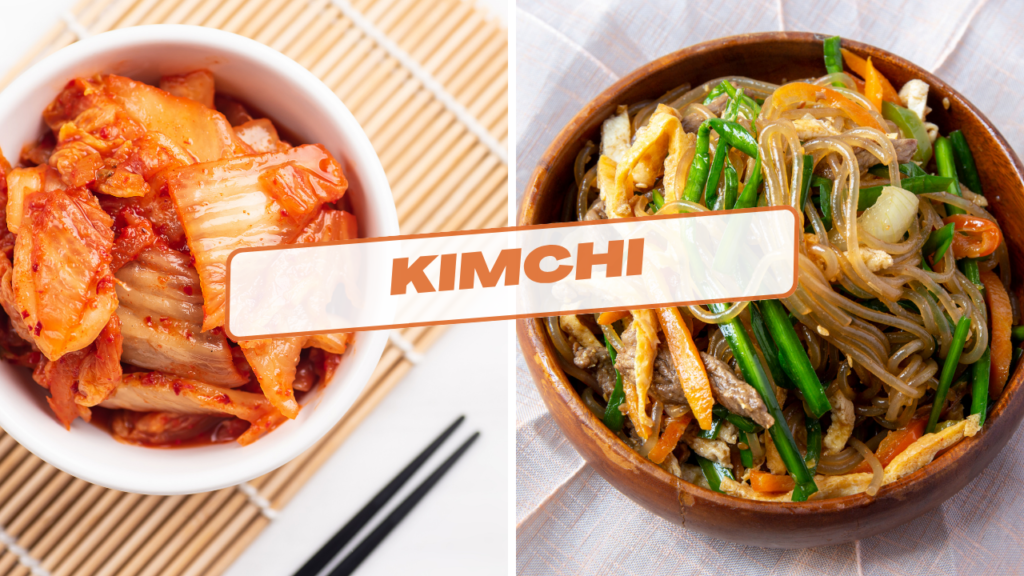
1. Kimchi (The Iconic Fermented Delight)
- You can never discuss Korean cuisine without discussing Kimchi. Kimchi is a side dish which is made up of fermented veggies such as the napa cabbage or radishes. The preparation uses seasoning which includes chili, garlic, ginger and green onions.
- Reasons why Indians love it: It’s sharp and piquant like no other; it immediately reminds me of my own local achaar (Indian Pickle).Top 10 Korean Dishes
2. Tteokbokki (Spicy Rice Cakes)
- If you have been watching any food stall episode in a Korean drama, you know what I am talking about—Tteokbokki. They are sticky, cylinder-shaped rice cakes that are covered in thick, sweet, and incredibly spicy sauce made from Korean chili paste (Gochujang). Reason why Indians love them:
- Unique texture and spice level comparable to our street food.
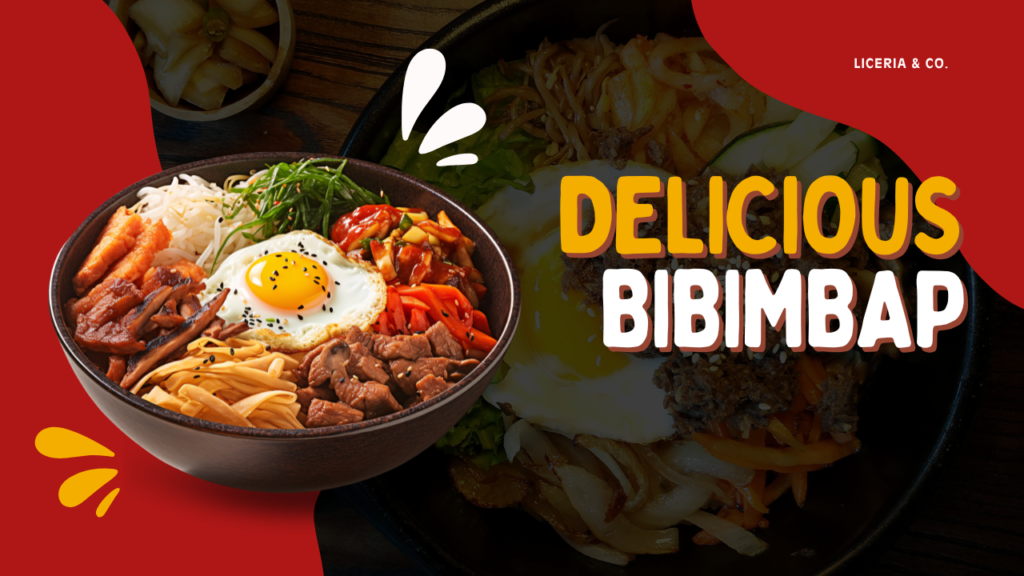
3. Bibimbap (The Ultimate Rice Bowl)
- Bibimbap” means “mixed rice” in Korean. This dish includes a bowl of hot rice mixed with various kinds of vegetables, one of the following proteins (according to taste): chicken, beef, pork, or tofu, one fried egg, and a spoonful of chili paste.
- Why Indian People Love Bibimbap: It is similar to an Indian veg pulao or biryani and gives people a comfortable feeling inside the stomach.Top 10 Korean Dishes
4. Jjajangmyeon (Black Bean Noodles)
- This is an extremely popular combination dish from Korea-China where thick wheat noodles are smothered in a dark and savory sauce prepared using sweet bean paste, onions, and meats/vegetables.Top 10 Korean Dishes
- Why Indians Love It: Just like the Indians’ fondness for Indo-Chinese cuisine, there is a special affinity towards Jjajangmyeon’s taste because of its oily and savory appeal.
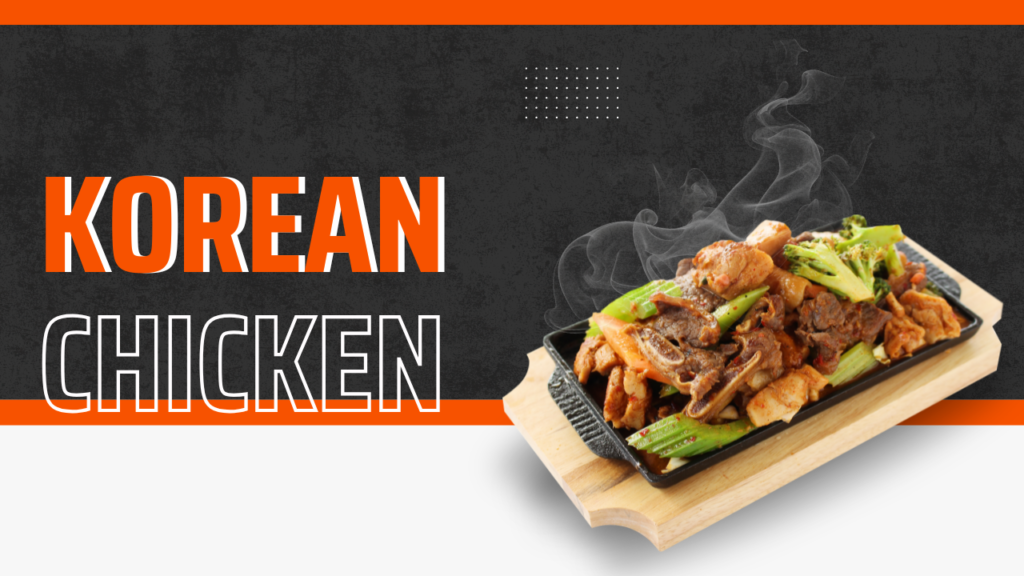
5. K-Fried Chicken (Korean Fried Chicken / Chikin)
- No more thoughts of fast food chickens. Korean Fried Chicken has been doubly cooked to provide a super crispy texture in its crust despite being topped up with flavors of sweetness, spiciness, or garlic and soy.
- Why Indians Like It: It’s loud, crunchy, and full of flavors to fit perfectly well with the Indian taste buds.
6. Ramyeon (Korean Instant Noodles)
- Whereas the Indian instant noodles are awesome, their Korean counterparts known as Ramyeon offer more kick. They are served hot and have a delicious broth which can be garnished with cheese, soft boiled eggs or even mushrooms.
- Why Indians Love Them: It’s an ultimate form of comfort food. They satisfy all those people who are looking for spicy masala dishes.Top 10 Korean Dishes
7. Gimbap (Korean Seaweed Rice Rolls) - It’s easy to mistake them for sushi but they are actually very distinct from the other. The seaweed rice rolls feature cooked rice flavored with sesame oil along with fillings such as radishes, carrots, spinach, eggs and protein fillings.
- Why Indians Love Them: It’s a very light, sesame flavored bite sized snack perfect for lunches and picnics.
8. Kimchi Mandu (Korean Dumplings)
- The dumplings come packed in filling made up of meat or vegetable mince. In case of the Kimchi version, the filling is comprised of kimchi, tofu and glass noodles.
- Why Indians Love Them: Momo lovers will fall head over heels in love with Mandu.Top 10 Korean Dishes
9. Pajeon (Savory Scallion Pancake)
- This savory pancake contains flour, eggs, along with an enormous quantity of green onion in its batter. Pajeon is a dish that has been fried on a flat pan until its edges are crisp, garnished with a soy dipping sauce.
- Reason Why Indians Love This Dish: Due to the close similarity of this dish with our popular dishes chilla or parantha, it becomes a familiar one for us.
10. Japchae (Glass Noodle Stir-fry) - The japchae recipe involves glass noodles that have been prepared using sweet potato starch. The dish can be stir-fried using vegetables, mushrooms, and soy sauce along with a small quantity of sesame oil.
- Reason Why Indians Love It: These noodles are made of sweet potatoes and have an interesting chewy consistency.Top 10 Korean Dishes
Conclusion
The Indian food scenario is changing fast, and a great way to widen your horizons would be by checking out the Top 10 Korean Dishes. Be it the taste of the delectable pancakes or the heat in your mouth from the spiced rice cakes, there is sure to be something to satisfy all food aficionados.
Whatever be your plan, whether it is eating at your local K-cafe or even buying ingredients to cook your favorite dish yourself, you are guaranteed a sumptuous experience by trying out theseTop 10 Korean Dishes. So go ahead and immerse yourself in the tasty world of Korean Cuisine!
Frequently Asked Questions (FAQs)
Q1: Are there enough vegetarian options in the list of Top 10 Korean Dishes?
A: Absolutely yes. Although the basic Korean cuisine involves the use of fish sauce or meat stock, most Indian restaurants will provide vegetarian alternatives. Dishes such as Bibimbap, Gimbap, Pajeon, and Tteokbokki can be conveniently served as veg.
Q2: Is the Korean cuisine very spicy to suit the Indian taste buds?
A: No way. In fact, some of the top ten dishes in Korean cuisine such as Tteokbokki and Ramyeon provide deep, rich spicy taste that will appeal to the Indians.
Q3: What’s unique about Korean fried chicken compared to regular fried chicken?
A: The difference is that Korean fried chicken is cooked twice which removes fat in the skin making it super crispy despite being smothered in a very thick sauce.
Q4: How can one obtain ingredients to prepare these dishes in India?
A: It is possible to buy Gochujang, Kimchi, and Ramyeon in major Indian e-commerce websites as well as gourmet groceries and Asian online supermarkets.
Q5: Is there any proper etiquette in eating Bibimbap?
A: The answer is no; you should not eat layer by layer. First, pour the spicy sauce of your choice on the dish, then stir the whole thing properly before tasting it.