
Mastering the Evolution: The Ultimate Guide to Fashion and Design Trends in 2026
The world of style is undergoing a massive transformation. As we navigate through 2026, the industry is no longer just about aesthetics; it is about identity, technology, and a deep-rooted connection to our environment. Staying ahead of the curve requires an understanding of how Fashion and Design Trends are merging the physical and digital worlds to create something entirely new.
1. The Sustainability Revolution
One of the most significant shifts we’ve seen in current trends is the move toward “Radical Transparency.” Consumers are no longer satisfied with “greenwashed” marketing; they demand to see the verified carbon footprint of every thread.
- Plant-Based Textiles: Innovation has moved beyond basic organic cotton. We are seeing the rise of high-performance textiles made from mushroom mycelium, pineapple husks, and seaweed-based fibers that offer luxury feel with zero environmental guilt.
- The Circular Economy: The “take-make-waste” model is officially obsolete. Modern brands are designing for “end of life,” utilizing mono-materials that can be easily disassembled, chemically recycled, or fully composted back into the earth.
2. The Tech-Infused Wardrobe: “Phygital” Reality
Technology is no longer a separate entity from our closets. Modern Fashion and Design Trends are heavily influenced by “Wearable Tech” that prioritizes invisibility and seamless integration.
The Future of Fabric: We are seeing “Responsive Textiles” that adjust their thermal properties based on the wearer’s skin temperature and 3D-printed footwear tailored to the exact biometric data of your gait.
This fusion of utility and aesthetics ensures that clothing is no longer a passive covering, but an active interface between the body and the environment.
3. Aesthetic Shifts: The Rise of Maximalist Storytelling
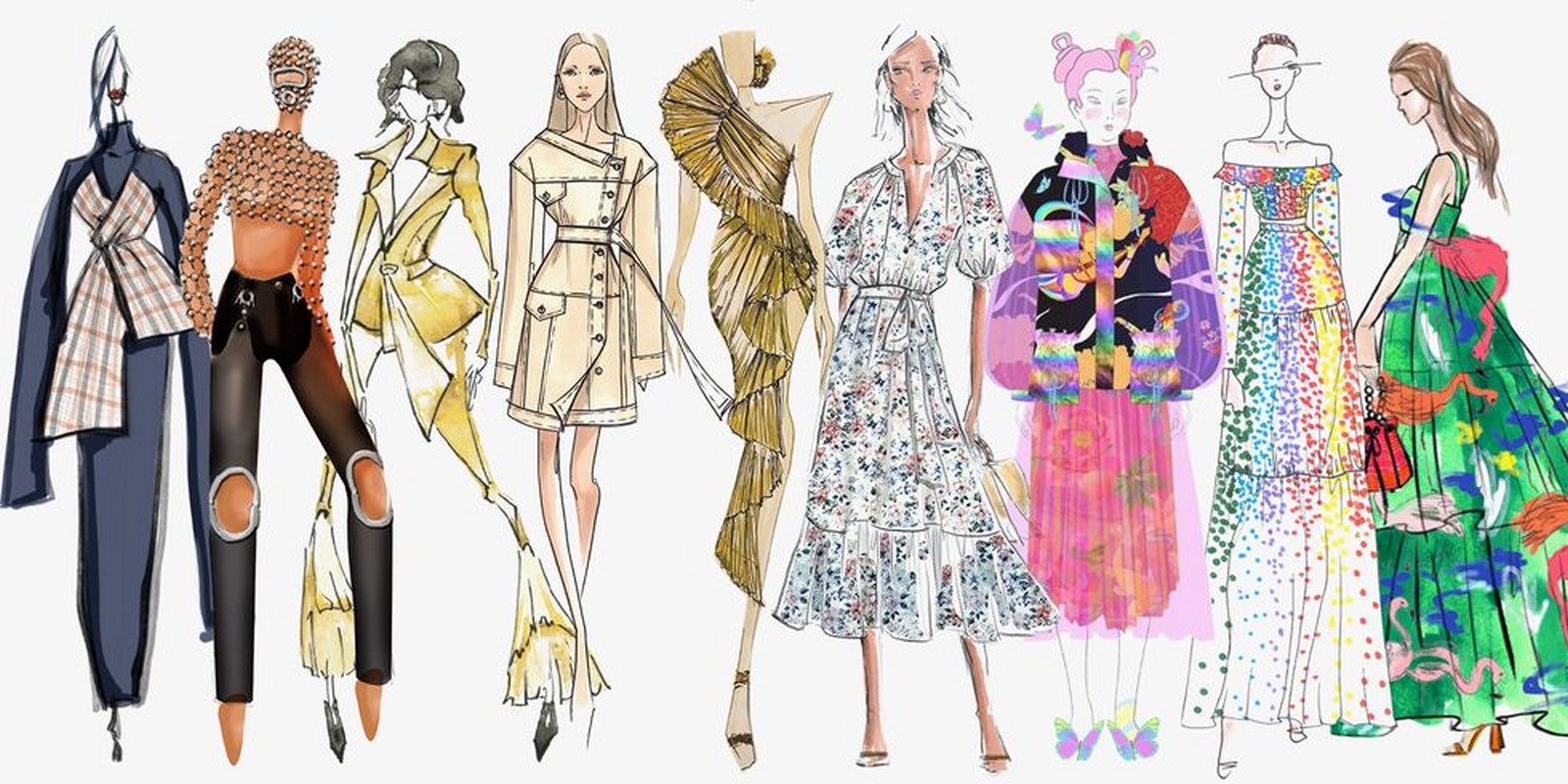
While “Quiet Luxury” and minimalist “beige-core” dominated the early 2020s, 2026 belongs to the storytellers. We are witnessing a vibrant return to Maximalism, characterized by:
- Vibrant Palettes: Neon-pastels and hyper-saturated earth tones.
- Clashing Textures: Pairing tech-fabrics with heavy, raw wools.
- Intricate Patterns: A rejection of the “blank slate” in favor of complex, culturally rich prints.
This shift means style is becoming radicalized by personalization. It is less about following a specific “look” and more about assembling a visual biography of one’s values and experiences.
4. Global Influences and Cultural Fusion
The democratization of style via global connectivity has led to a beautiful blending of aesthetics. Current trends often feature Traditional Craftsmanship integrated into modern, urban silhouettes.
Whether it is the intricate precision of Indian hand-embroidery, the philosophy of Japanese Sashiko stitching, or the bold geometric patterns of West African wax prints, these elements are being used with deep respect for their heritage. This cultural exchange gives contemporary design a “soul” that mass-produced fast fashion simply cannot replicate.
5. The Role of AI in Creative Optimization
AI is no longer a novelty; it is the industry’s primary engine for efficiency. Designers are utilizing generative tools to:
- Predict Hyper-Local Trends: Analyzing social data to produce only what will sell in specific regions.
- Virtual Prototyping: Reducing physical waste by perfecting drapes and patterns in 3D environments before a single piece of fabric is cut.
- Generative Patterning: Creating unique, non-repeating prints that would be mathematically impossible for a human to draft by hand.
6. The Psychological Shift: Fashion as Wellness
In 2026, we see a growing trend in Dopamine Dressing 2.0. This involves using specific color frequencies and tactile sensations to influence the wearer’s mood. Clothing is being marketed not just for how it looks, but for its ability to reduce cortisol or increase focus through sensory feedback.
7. Virtual Identity and the Metaverse
Digital fashion has matured. With the proliferation of high-fidelity AR glasses, “digital overlays” allow people to wear basic sustainable garments in the physical world that appear as extravagant, glowing, or physics-defying outfits through a digital lens. This allows for infinite expression without a single ounce of textile waste.
9.Global Influences and Cultural Fusion
The democratization of style via social media has led to a beautiful blending of global aesthetics. Current Fashion and Design Trends often feature traditional craftsmanship—like Indian hand-embroidery or Japanese sashiko stitching—integrated into modern, urban silhouettes. This respect for heritage is what gives contemporary Fashion and Design Trends their soul.
9. The Role of AI in Creation
AI is not just for tech companies anymore. Designers are using generative tools to predict future Fashion and Design Trends, allowing them to produce only what is likely to sell, significantly reducing waste. AI-driven design is helping creators push the boundaries of what is possible in fabric draping and pattern construction.
Conclusion
The landscape of Fashion and Design Trends is more dynamic than ever. By focusing on sustainability, embracing the “phygital” blend of tech and fabric, and celebrating global cultural diversity, the industry is moving toward a future that is both beautiful and responsible. To remain relevant, one must view fashion not as a product, but as a living ecosystem of technology and human expression.
Frequently Asked Questions (FAQs)
1. What is the biggest influence on Fashion and Design Trends right now?
Sustainability and AI are the primary drivers, balancing ecological survival with hyper-optimized creative and supply chain processes.
2. How can I stay updated on upcoming trends?
Monitor digital fashion weeks and use social listening tools to track the evolving preferences of Gen-Z and Alpha demographics.
3. Is fast fashion dead?
Fast fashion is declining as consumers pivot toward “slow fashion,” prioritizing quality pieces with longer lifecycles and ethical origins.
4. How does digital fashion work?
It involves 3D-designed garments existing in virtual spaces, allowing users to “wear” items in digital environments to eliminate physical waste.
5. Why are vintage styles coming back?
Vintage offers a sense of nostalgia while serving as a naturally sustainable way to recycle high-quality garments from the past.