
10 Best Gut Health Foods to Add to Your Diet in 2026
Gut health has quietly become one of the biggest wellness conversations of 2026, and it’s easy to see why. Research linking the gut microbiome to immunity, mood, sleep, and overall energy has pushed gut health foods from a niche wellness topic into mainstream daily conversation. In India alone, a large majority of consumers now say gut health matters to them, not just for digestion but for how it affects nearly every other part of their wellbeing. In this guide, we’ll walk through the most effective gut health foods to add to your routine, along with simple habits that support a healthier gut over time.
Why Gut Health Foods Matter More in 2026
The growing interest in gut health foods isn’t just a passing trend. Scientific understanding of the gut-brain connection has expanded significantly, showing that digestive health influences mental clarity, mood stability, and even skin condition. This broader view has shifted how people think about digestion, moving away from treating bloating or discomfort as isolated issues and toward understanding gut health as a foundation for long-term wellbeing. For more wellness and food content, check out our food and lifestyle section on ChroGoo.
1. Fermented Foods for Natural Probiotics
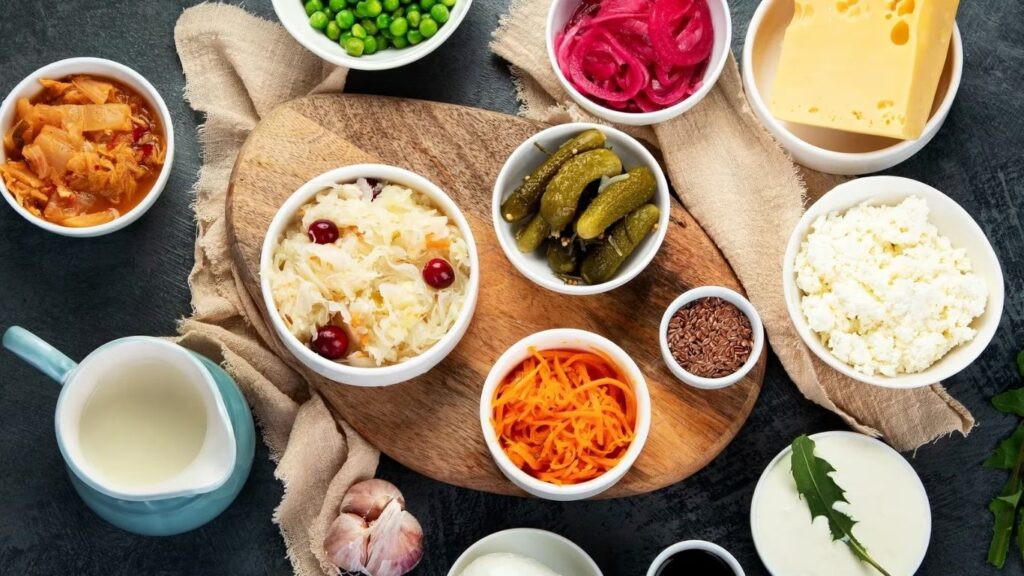
Fermented foods remain one of the most powerful categories of gut health foods, since they introduce beneficial bacteria directly into your digestive system. Curd, kanji, idli, dosa batter, and pickled vegetables are all traditional Indian fermented foods that naturally support a healthier gut microbiome. Including a small serving of fermented food daily is one of the simplest ways to build this habit without needing specialized supplements.
2. Fiber-Rich Whole Grains
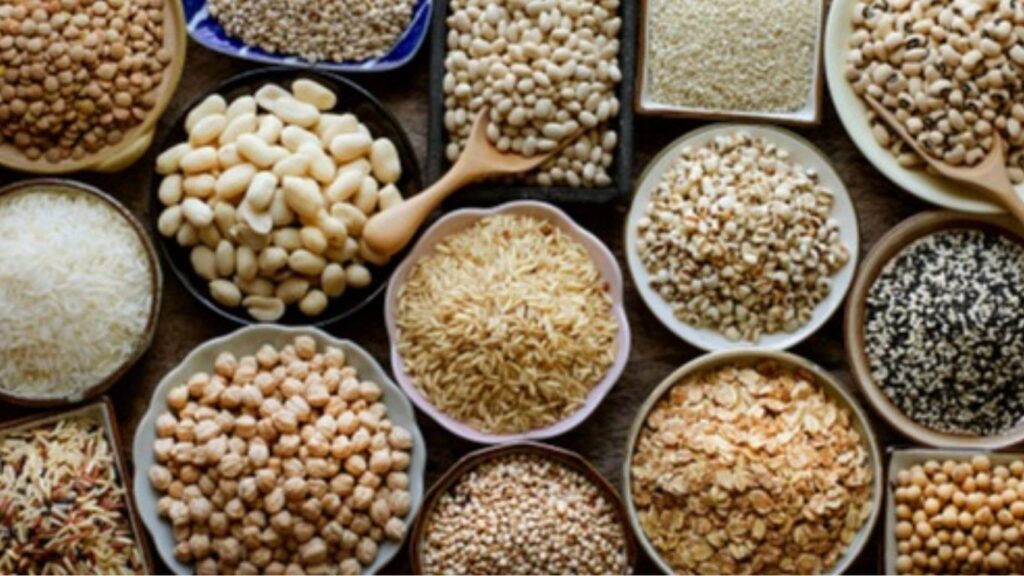
Fiber has become one of the most talked-about nutrients in 2026, with a social media trend often called “fibermaxxing” encouraging people to pack as much fiber as possible into their meals. Whole grains like oats, brown rice, millets (bajra, jowar, ragi), and whole wheat are excellent gut health foods that feed beneficial gut bacteria and support regular digestion. Swapping refined grains for whole grain alternatives is one of the easiest dietary shifts to make.
3. Legumes and Lentils
Dal, chickpeas, rajma, and other legumes are staple gut health foods in Indian cooking, offering both fiber and plant-based protein in a single ingredient. Their high fiber content feeds gut bacteria that produce short-chain fatty acids, which play a role in maintaining a healthy gut lining and supporting overall digestive function.
4. Leafy Greens and Vegetables
A wide variety of vegetables, particularly leafy greens like spinach and fenugreek, contribute both fiber and plant compounds that support microbial diversity. Rotating different vegetables throughout the week rather than eating the same few repeatedly is one of the most effective strategies among gut health foods recommendations, since a more diverse diet tends to support a more diverse, resilient gut microbiome.
5. Bananas and Other Prebiotic Fruits
Bananas, particularly slightly under-ripe ones, contain resistant starch that acts as a prebiotic, feeding beneficial bacteria in the gut. Along with apples, papaya, and other fiber-rich fruits, bananas are among the most accessible gut health foods for anyone looking to make small, sustainable changes to their daily diet.
6. Nuts and Seeds
Almonds, flaxseeds, and chia seeds have become increasingly popular gut health foods in 2026, prized for their combination of fiber, healthy fats, and micronutrients. Almonds in particular are being used in a growing number of gut-focused food innovations, given their fiber content and versatility across both sweet and savory dishes.
7. Buttermilk and Traditional Probiotic Drinks
Chaas (buttermilk) is a traditional Indian probiotic drink that has re-emerged as a favorite among gut health foods in 2026, particularly during warmer months. Along with other functional beverages incorporating prebiotics, buttermilk offers a light, easily digestible way to support gut bacteria without needing a specialized supplement regimen.
8. Root Vegetables Rich in Resistant Starch
Ingredients like cassava, sweet potato, and other starchy root vegetables are gaining attention as gut health foods due to their resistant starch content, which resists digestion in the small intestine and instead feeds beneficial bacteria further down the digestive tract. This is part of why root vegetables are becoming more common in fiber-forward product formulations this year.
9. Cabbage and Cruciferous Vegetables
Cabbage has seen a notable resurgence as one of the standout gut health foods of 2026, valued for its fiber content and versatility in both raw and fermented preparations, such as simple home-fermented cabbage dishes. Along with broccoli and cauliflower, cruciferous vegetables offer both fiber and compounds that support digestive health.
10. Water and Adequate Hydration
While not a food in the traditional sense, adequate hydration plays a foundational role in supporting the effectiveness of the other gut health foods on this list. Fiber needs sufficient water intake to move efficiently through the digestive system, and without it, increasing fiber intake alone can sometimes worsen rather than improve digestive comfort.
Quick Reference: Gut Health Foods by Category
| Category | Examples | Primary Benefit |
|---|---|---|
| Fermented foods | Curd, kanji, idli batter, pickles | Introduces beneficial bacteria |
| Whole grains | Oats, millets, brown rice | Feeds gut bacteria with fiber |
| Legumes | Dal, chickpeas, rajma | Fiber plus plant protein |
| Fruits | Bananas, apples, papaya | Prebiotic fiber and resistant starch |
| Probiotic drinks | Buttermilk, kanji | Easily digestible probiotics |
The Gut-Brain Connection Explained
One of the reasons gut health foods have gained so much attention in 2026 is growing public awareness of the gut-brain connection. Researchers have found that the gut and brain communicate through a complex network involving the nervous system, immune system, and hormones, meaning digestive health can influence mood, focus, and stress levels. This connection helps explain why so many people report feeling mentally clearer and more energetic after consistently improving their intake of gut health foods, beyond just noticing improved digestion.
Common Myths About Gut Health Foods
As interest in gut health foods has grown, so have a few persistent myths worth addressing. One common misconception is that gut health only relates to bloating or indigestion, when in reality it connects to immunity, sleep quality, and even skin health. Another myth is that a single “superfood” can fix gut health on its own, when consistent dietary patterns and variety matter far more than any one ingredient. Finally, many people assume more fiber is always better, but increasing fiber too quickly without adequate hydration can actually cause discomfort rather than relief.
Building a Simple Gut-Friendly Daily Routine
Rather than overhauling your entire diet overnight, the most sustainable way to incorporate gut health foods is through small, consistent changes. Starting the day with a fiber-rich breakfast like oats or ragi porridge, including a serving of curd or buttermilk with lunch, snacking on nuts or fruit instead of processed options, and ensuring adequate water intake throughout the day covers most of the core categories without requiring a complicated meal plan.
Signs Your Gut Health Might Need Attention
While this isn’t a substitute for professional medical advice, common signs that your digestive health could benefit from more gut health foods include frequent bloating, irregular digestion, or persistent low energy that doesn’t improve with rest. If symptoms are severe, persistent, or concerning, it’s always best to consult a doctor or registered dietitian rather than relying solely on dietary changes, since some digestive symptoms can indicate conditions that need professional evaluation.
How Indian Cuisine Naturally Supports Gut Health
One advantage for Indian households is that many traditional dishes already function as excellent gut health foods without requiring any special sourcing. Curd rice, kanji, buttermilk, fermented dosa and idli batter, and fiber-rich dal preparations have long been staples of Indian home cooking, meaning many people are already closer to a gut-friendly diet than they might realize. The current wellness trend is, in many ways, rediscovering and re-emphasizing traditional dietary wisdom rather than introducing something entirely new.
How Indian Cuisine Naturally Supports Gut Health
One advantage for Indian households is that many traditional dishes already function as excellent gut health foods without requiring any special sourcing. Curd rice, kanji, buttermilk, fermented dosa and idli batter, and fiber-rich dal preparations have long been staples of Indian home cooking, meaning many people are already closer to a gut-friendly diet than they might realize. The current wellness trend is, in many ways, rediscovering and re-emphasizing traditional dietary wisdom rather than introducing something entirely new. If you enjoyed our earlier guide on monsoon comfort food recipes, you’ll notice many of the same dishes double as excellent gut-friendly staples.
Pairing Gut Health Foods With an Active Lifestyle
Diet is only part of the picture when it comes to supporting digestive health. Regular physical activity, adequate sleep, and stress management all interact with the benefits of gut health foods in meaningful ways. Studies increasingly point to a two-way relationship between gut microbiome diversity and sleep quality, meaning a diet rich in fiber and fermented foods may support better rest, while consistent, quality sleep also helps maintain a healthier gut environment overnight. Combining consistent movement, like a daily walk, with a diet built around gut health foods tends to produce more noticeable results than focusing on diet alone.
Seasonal Approaches to Gut Health Foods
Adjusting your intake of gut health foods based on the season is another practical strategy many nutritionists recommend. During India’s hot summer months, hydrating options like buttermilk and watery fruits play a bigger role, while monsoon season calls for cooked, easily digestible fiber sources over raw salads, given increased contamination risk in raw produce during the rains. Winter, meanwhile, tends to suit heartier fiber sources like whole grains and root vegetables. Adapting your approach to gut health foods seasonally rather than following one fixed routine year-round tends to align better with both food safety and digestive comfort.
Gut Health Foods for Different Life Stages
Nutritional needs shift across different life stages, and the ideal mix of gut health foods reflects that. Growing children and teenagers benefit from a wide variety of whole grains, fruits, and dairy-based probiotics like curd to support both digestion and overall development. Adults juggling work stress often find that fermented foods and adequate fiber help offset the digestive slowdown that stress and irregular eating schedules can cause. Older adults, meanwhile, may need to pay closer attention to fiber and hydration together, since digestive efficiency naturally changes with age, making a steady, varied intake of gut health foods even more important for maintaining comfort and regularity.
The Role of Diversity Over Single “Superfoods”
A recurring theme among nutrition experts studying gut health foods in 2026 is that diversity matters more than relying on any single ingredient. The gut microbiome thrives on variety, meaning a rotation of different fiber sources, fermented foods, and plant-based ingredients tends to support a more resilient digestive system than repeatedly eating the same “superfood” in isolation. This is part of why traditional Indian thalis, which typically include a mix of grains, lentils, vegetables, and a fermented or dairy component in a single meal, naturally align well with current gut health research, even though this eating pattern predates the current wellness trend by generations.
Getting Started This Week
If the idea of overhauling your diet feels overwhelming, start small. Pick just two or three gut health foods from this list, curd, a fiber-rich whole grain, and one fermented staple like buttermilk or kanji, and build a consistent weekly habit around them before adding more variety. Small, sustainable changes tend to stick far better than an ambitious overnight overhaul, and given how many effective gut health foods are already part of everyday Indian cooking, most people are only a few small adjustments away from a noticeably more gut-friendly diet.
Conclusion
Gut health has moved firmly into the mainstream in 2026, and the good news is that many of the most effective gut health foods are already familiar staples in Indian kitchens. From fermented curd and buttermilk to fiber-rich legumes, whole grains, and a diverse range of vegetables, building a gut-friendly diet doesn’t require expensive supplements or complicated meal plans. Focus on variety, consistency, and adequate hydration, and the benefits of a well-supported gut microbiome, from better digestion to improved energy and mood, tend to follow naturally over time.
Frequently Asked Questions
1. What are the best gut health foods to start with? Fermented foods like curd and buttermilk, along with fiber-rich whole grains and legumes, are among the easiest gut health foods to incorporate first.
2. Do I need supplements to improve gut health? Not necessarily. Many effective gut health foods, like curd, dal, and whole grains, are already common in most diets and can meaningfully support digestion without supplements.
3. How is gut health connected to mental health? The gut and brain communicate through a complex network involving the nervous and immune systems, meaning digestive health can influence mood, focus, and stress levels.
4. Can too much fiber be a problem? Yes, increasing fiber intake too quickly without adequate water intake can cause bloating or discomfort rather than improving digestion.
5. Are fermented foods better than probiotic supplements? Both can be beneficial, but many gut health foods like curd and buttermilk offer natural probiotics alongside other nutrients, making them a good starting point for most people.
6. What Indian foods count as gut health foods? Curd, buttermilk, kanji, idli and dosa batter, dal, and a variety of vegetables are all traditional Indian gut health foods already common in most households.
7. How long does it take to see benefits from gut health foods? This varies by individual, but many people notice improved digestion within a few weeks of consistently including more gut health foods in their diet.
8. Is gut health only about digestion? No, gut health is increasingly linked to immunity, sleep quality, mood, and skin health, not just digestive comfort.
9. What should I avoid if I’m focusing on gut health foods? Highly processed foods and excessive alcohol intake are generally recommended to be limited when prioritizing gut health.
10. When should I see a doctor about gut health concerns? If you experience persistent bloating, irregular digestion, or other concerning symptoms that don’t improve with dietary changes, it’s best to consult a doctor or registered dietitian.